Transylvania is Romania’s cultural juggernaut and most visited region. Filled with myths, legends and lashings of Saxon heritage, it’s no wonder that millions visit the region every year. With the cities of Sibiu and Brașov getting the most visitors, however, there are still plenty of places to find an authentic piece of this historic homeland – and there’s no place better to start than the hilltop town of Sighisoara.
Located deep within the hills and the lush greenery, a winding road, still occupied by horse-and-cart riders, leads to the familiar outline of a citadel and a town that has stood the test of time.
Things To Do
(1) Explore a UNESCO Treasure
Even from a distance, Sighisoara’s historic treasures aren’t hard to see. Perched above the surrounding forests and hills, its fully preserved medieval citadel beckons visitors far and wide to uncover the secrets behind its cobbled streets and colourful Saxon houses.
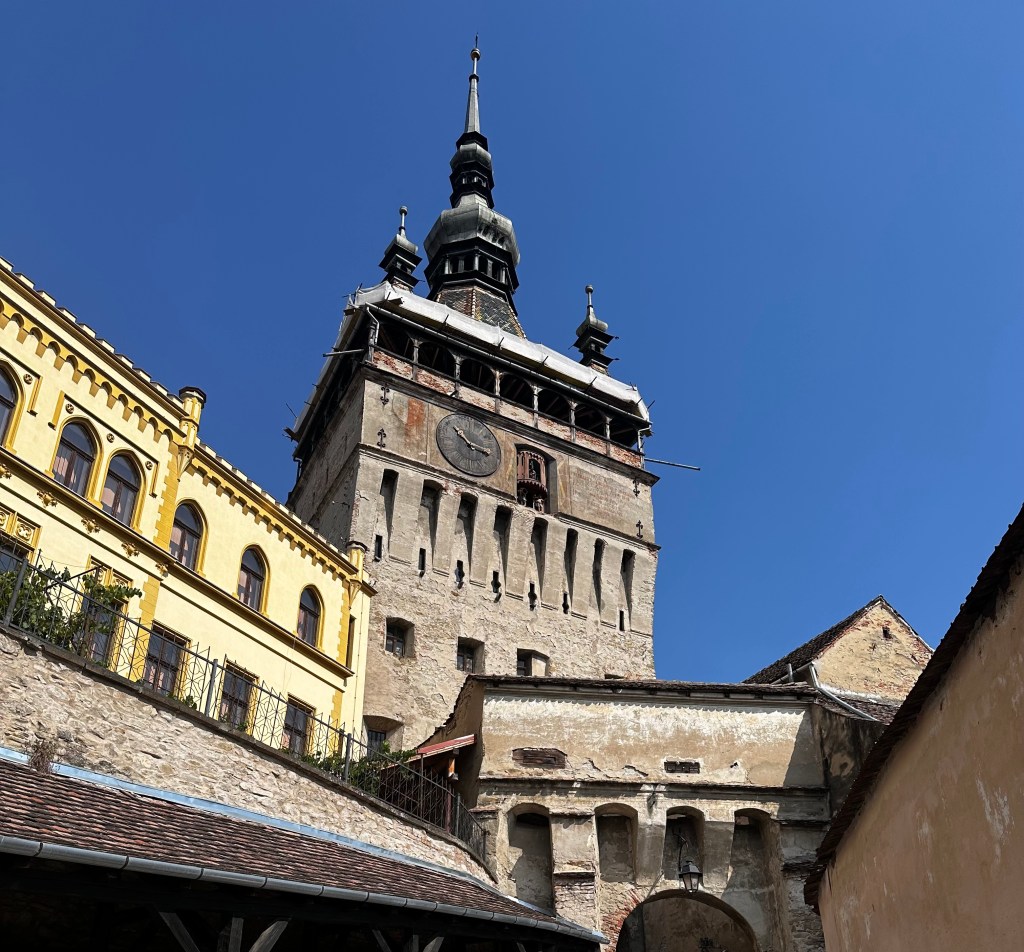
Start by exploring its 16th-century UNESCO World Heritage citadel and its surrounding nine towers. Then, climb to the top of the old clock tower and marvel at how this imposing structure has remained intact for more than 500 years. Once back down to Earth, make your way around the historic centre’s many cobblestone streets. Labyrinthine and filled with little alleyways, there are plenty of spots around to keep your Insta feed busy for the next couple of months!
(2) Visit Vlad Dracul
From the outside, you’d never expect this unassuming mustard-yellow house to be anything more than just an interesting example of Transylvanian Saxon architecture. However, this house, located just a stone’s throw away from the town’s main clock tower, is the supposed birthplace of Romania’s most famous leader, Vlad Dracul. Admittedly, this place is a bit of a tourist trap, and although it is filled to the brim with kitsch exhibits, it is still well worth exploring the creation of one of the country’s most enduring legends.
A SHORT REST BIT: After exploring Vlad’s birthplace, why not head to the courtyard to sample some of Romania’s traditional foods at the Vlad Dracul Restaurant?
(3) Shop at Spoonman’s
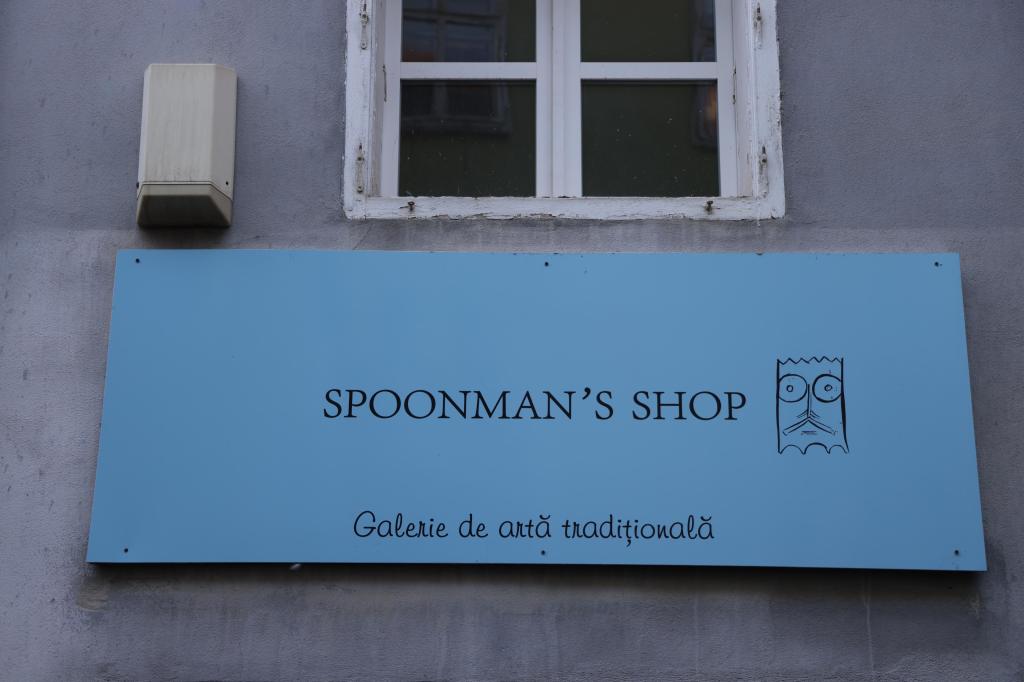
Having visited the sites, it’s now time for a well-deserved shopping break, and there’s nowhere better for gifts and souvenirs in Sighisoara than Spoonman’s Gift Shop. Welcoming shoppers down inside a basement with its hand-crafted sign, you’ll be greeted by friendly workers and a cornucopia of trinkets and treasures. From hand-sculpted pots to freshly painted magnets, they have a gift to serve any budget.
(4) Immerse Yourself in Sighisoara’s Medieval Festival
Sighisoara is always full of life, but there is only one weekend when the town becomes a bustling thoroughfare of noise and excitement. On the last weekend of July, this pretty hilltop town holds its annual Medieval Festival. During this time, the streets fill with food stalls, musical performances and performers dressed in traditional folk costumes. If you don’t mind loud, theatrical affairs, then this is perfect for all members of the family.
QUICK TIP: In general, Sighisoara fills up during the summer months, so to avoid crowds, aim to arrive early in the morning before the crowds arrive.
(5) Follow in the Footsteps of Scholars up the Covered Stairs
Leading away from the historic centre towards the church on the hill and the old school, there’s a rustic charm to be found while climbing Sighisoara’s Covered Stairs. Built in 1642, it was originally designed as a way to shelter students as they battled snow, rain, and all sorts of other nasties on their way to school. Although made of sturdy pieces of wood, they’ve weathered over time, creating a ramshackle appeal. However, its myriads of gaps offer glimpses of the town down below and light up nicely during the early morning sunshine.
Food and Drink
Once you’ve finished looking around at all that the town has to offer, Sighisoara is also plentiful when it comes to cafes and restaurants. Whilst exploring the citadel, be sure to stop off at Restaurant Von Graf. Serving a wide range of traditional Romanian and Transylvanian cuisines, the treats here are as much about its location as it is their food. First recorded back in 1734, this vivid pink Transylvanian Saxon guesthouse stands out even among the historic centre’s many brightly painted abodes. Patrons can easily wile away the hours in its shaded courtyard, enjoying cartofi (grilled minced meat) or a hearty spoonful of their traditional cheese doughnuts.
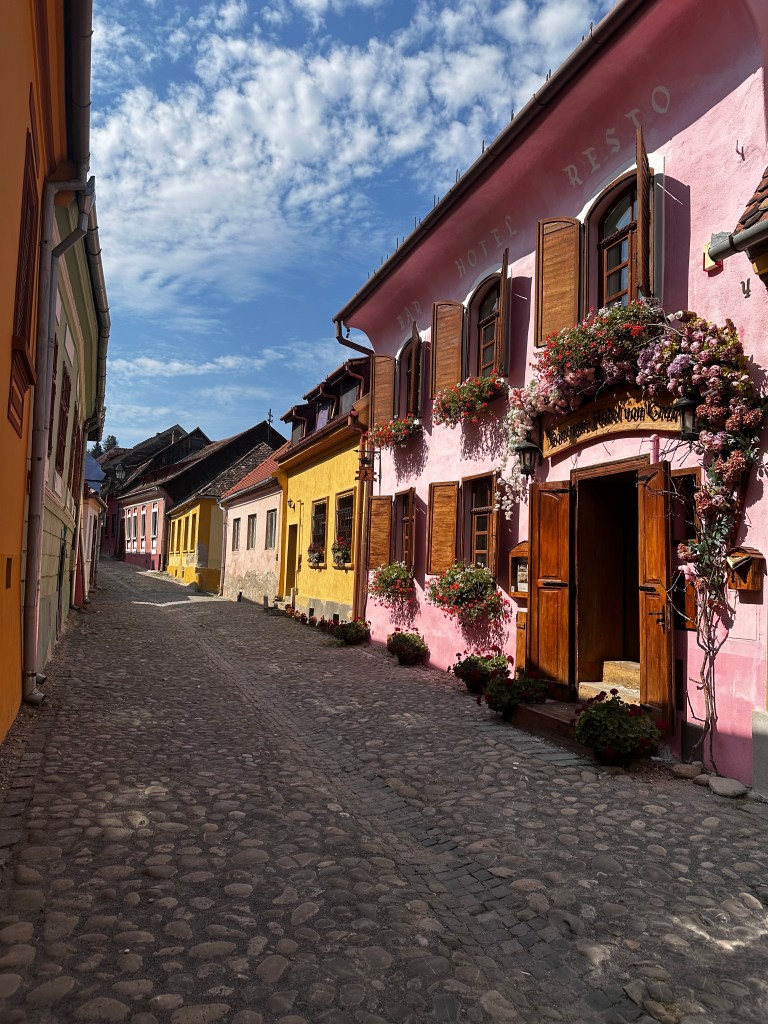
For those looking for something a little less substantial, why not head down to Sighisoara’s lower town, where you’ll find the bulk of this beautiful UNESCO site’s modern cafes. The Bean and Atelier Speciality Coffee are both striking examples of Romania’s growing coffee culture.
QUICK TIP: Whilst most shops, cafes and restaurants take card payments, it’s still wise to carry some Romanian Leu for smaller purchases.
When To Go
Characterised by cold winters and extremely hot summers, the best time to explore Sighisoara is in the spring and autumn. During these months, the weather is warm and the nights are cool, and the historic centre comes alive with the popping colour of the freshly bloomed trees and plants.
How To Get There
Despite being located in the heart of the Transylvanian hills, Sighisoara is surprisingly easy to get to. Reaching the town by train gives you the most options, with the nearby cities of Brașov, Sibiu and Cluj-Napoca all running services several times a day. Sighisoara is also accessible by bus; however, your options are limited, with only Brașov and Bucharest running regular services.
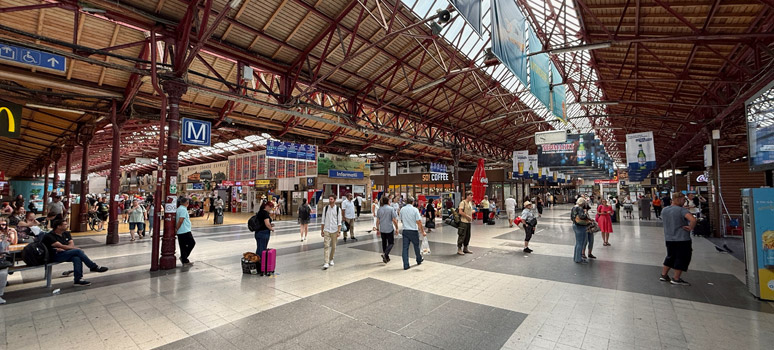
If you want the most scenic experience, the best way is to reach the town via a private tour or by hiring your own car. Travelling along the winding roads and through the traditional Transylvanian villages will enhance your appreciation of daily Romanian life and offer an opportunity to stop off at the equally interesting town of Mediaș or the fortified church of Biertan.


Leave a Reply