Set amidst fjords, mountains and woodlands, Bergen has inspired many a traveller, artist and musician, and now that includes myself. Having recently come back from a trip to the city, I wanted to share my views on some of its highlights in this multi-part series.
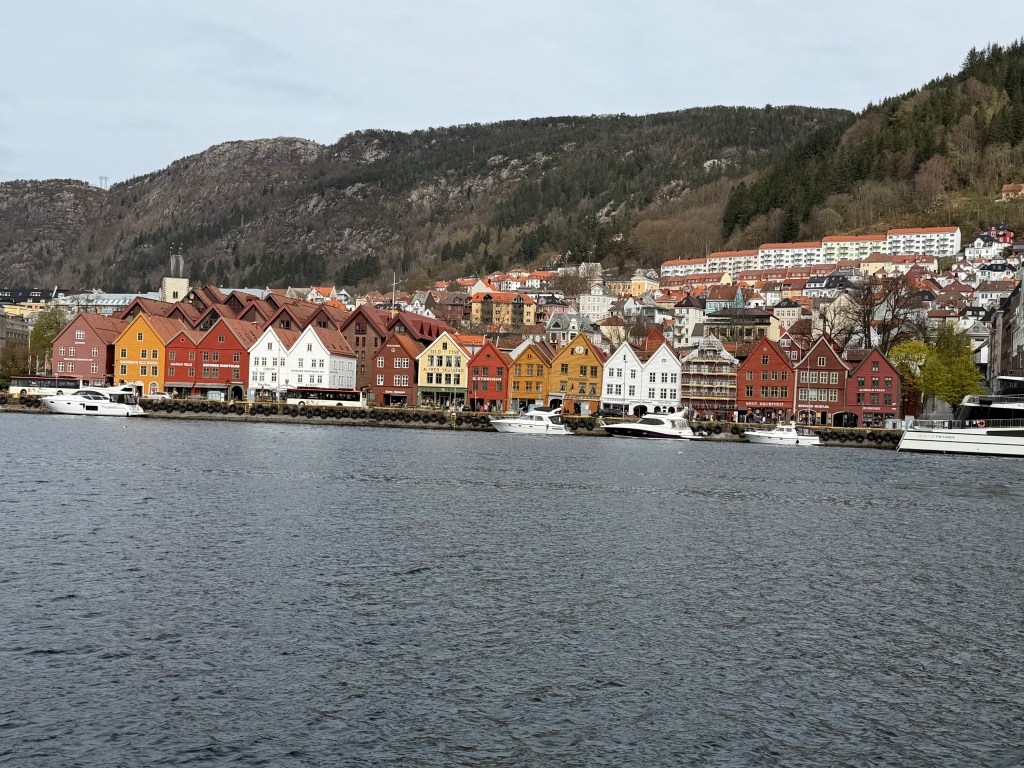
Whether by plane, train or cruise, it is an inevitability that your body, at some point, will be ushered by the ports’ path towards Hansakvarteret Bryggen, Bergen’s historic wharf. With wood draped in shades of red and yellow, its bright colours host one of the most popular spots for visitors in the city. This popularity, however, doesn’t mean that this area has fallen to the allure of the cheap and tacky, quite the opposite in fact, as the old wharf has managed to retain its old-world charm.
Peel away from the sea-facing façade, and the first thing that draws the eye is the wooden exterior of the houses, some of which date back to the 14th-century. They’re creaky and filled with jutting edges. Perfectly imperfect, they cast unique shadows that draw the lens around every corner. Jacobsfjorden has some of the best-preserved wooden houses in the harbour.
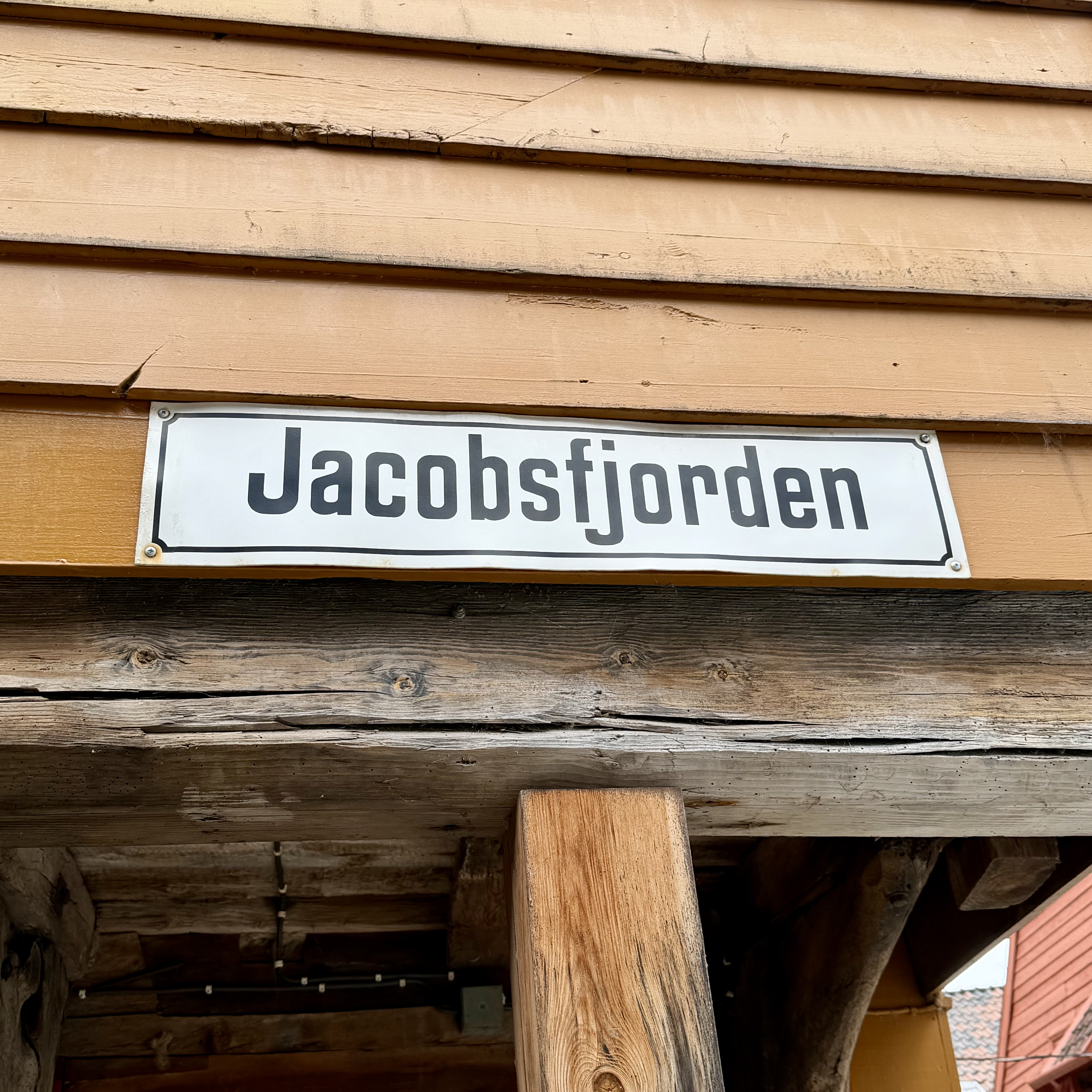
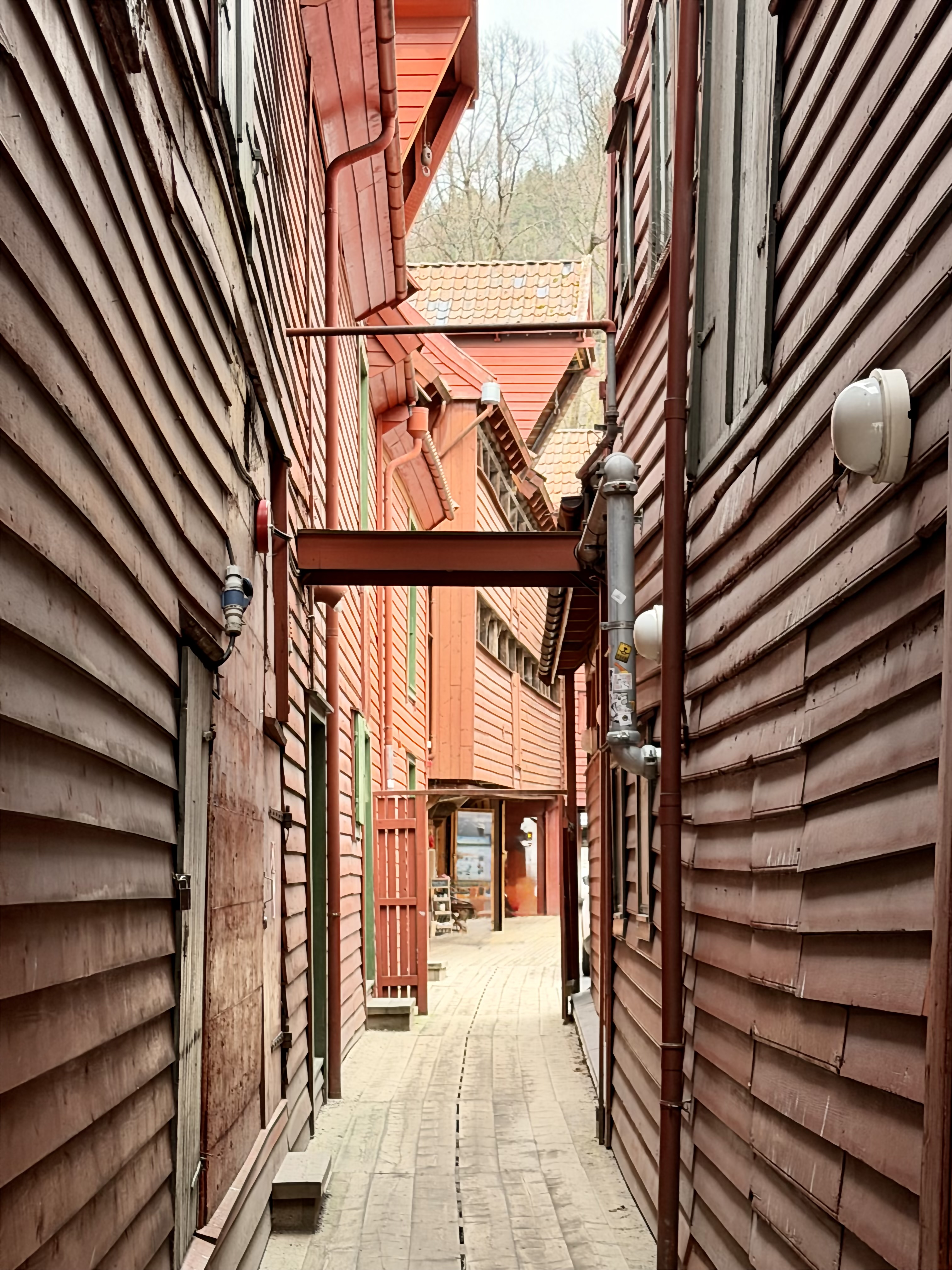
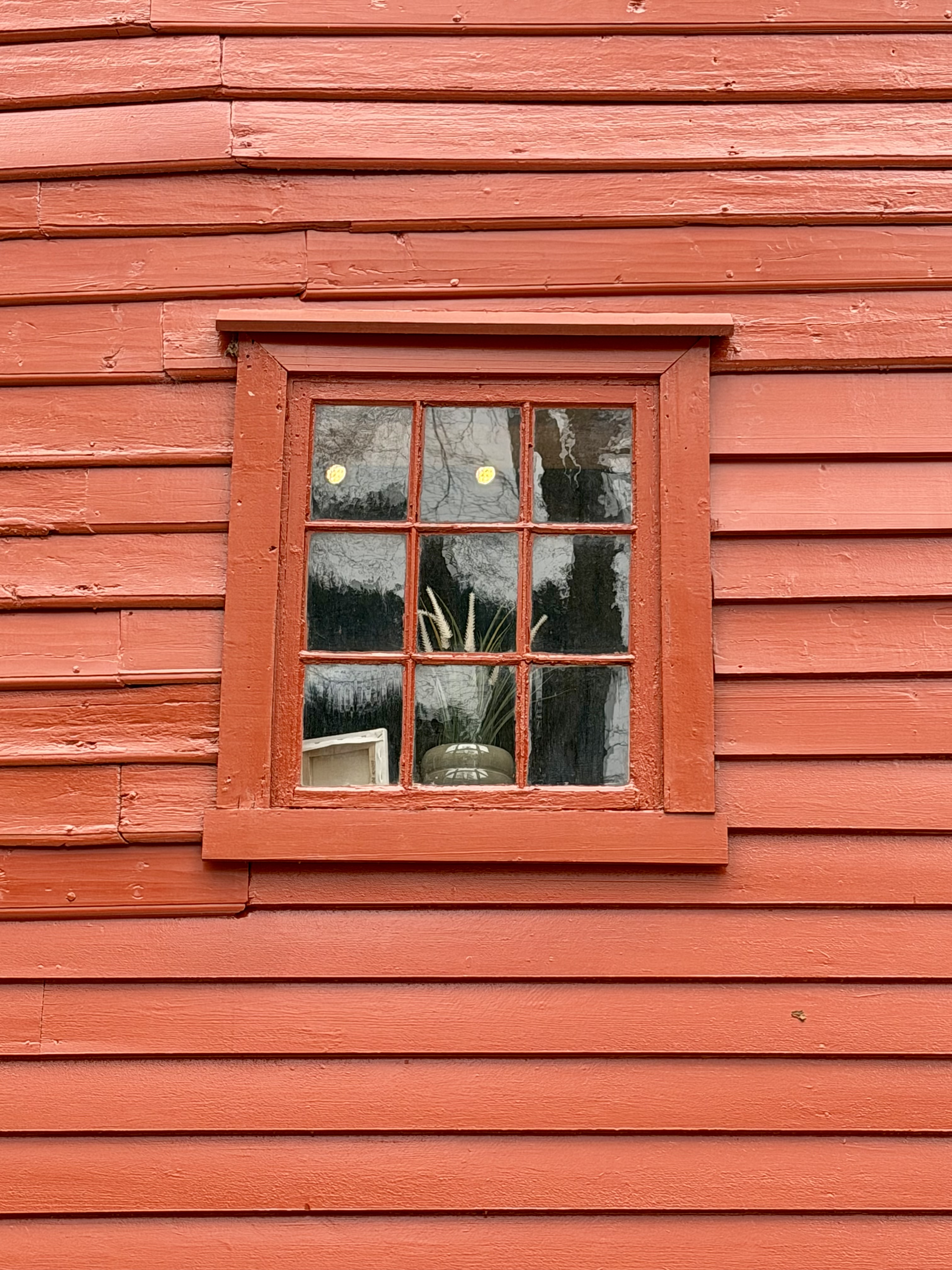
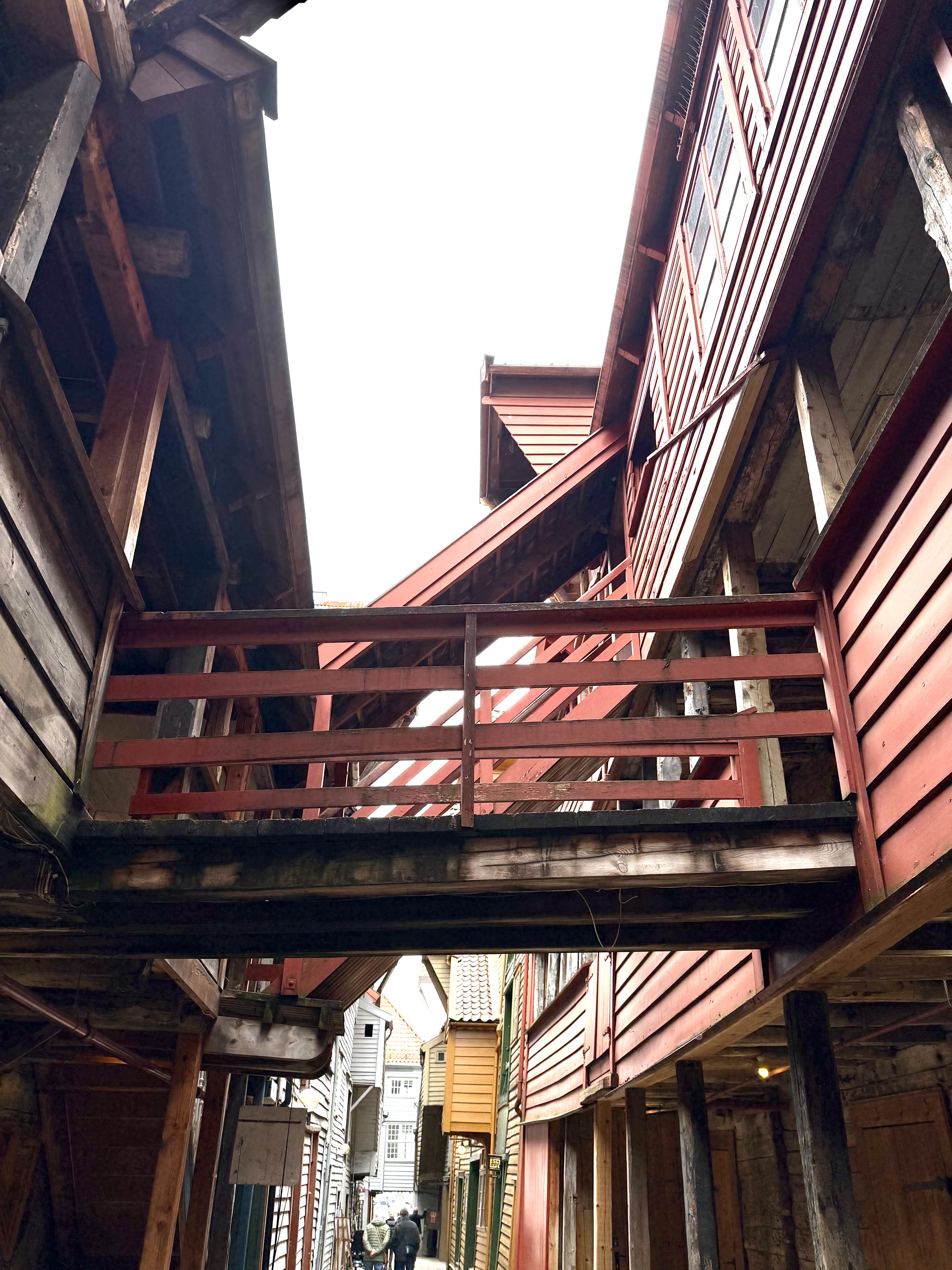
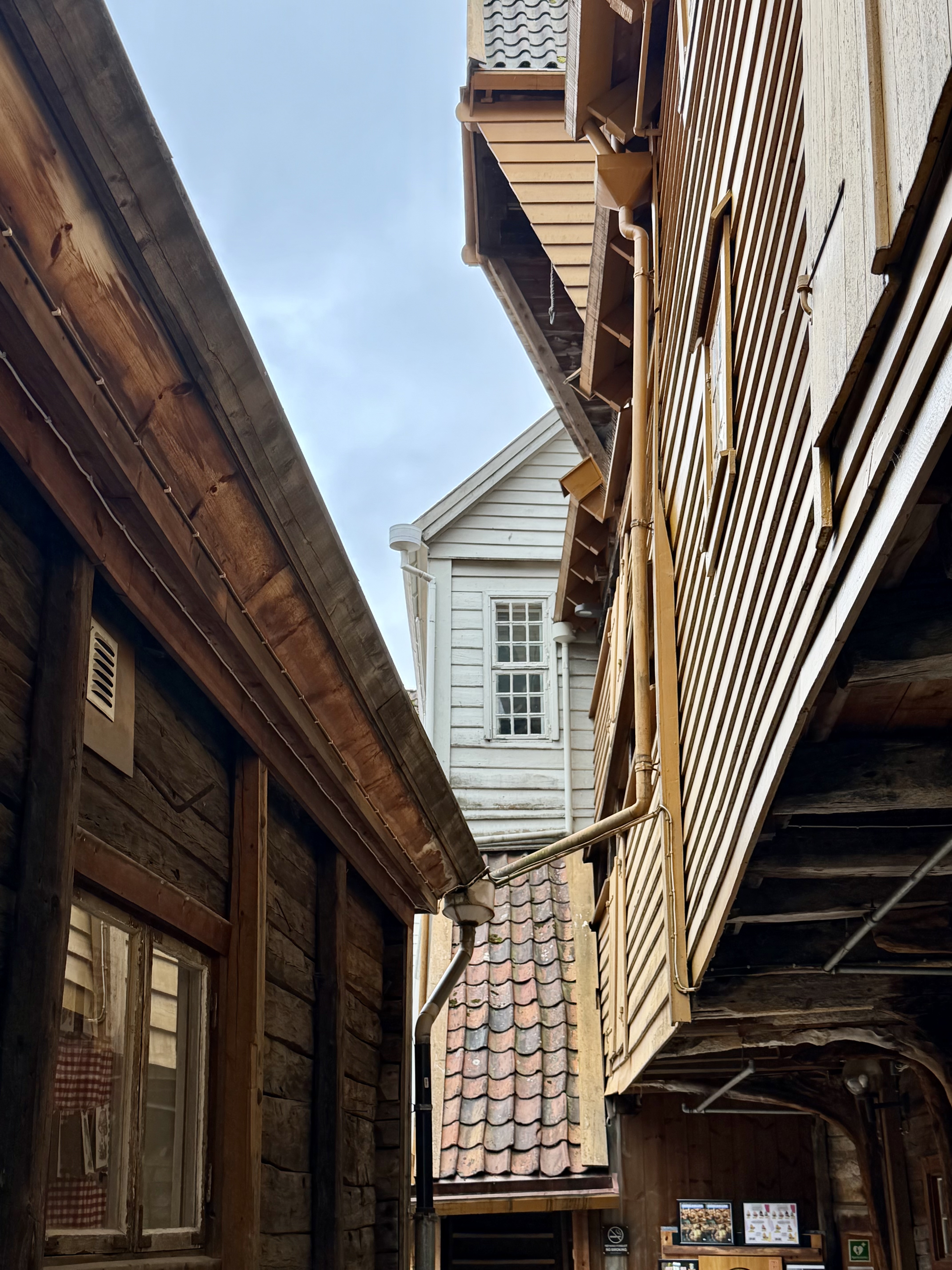
Here, cascades of red, yellow and white mix with interesting structural layers, including several bridge paths from one side of the structure to the other.
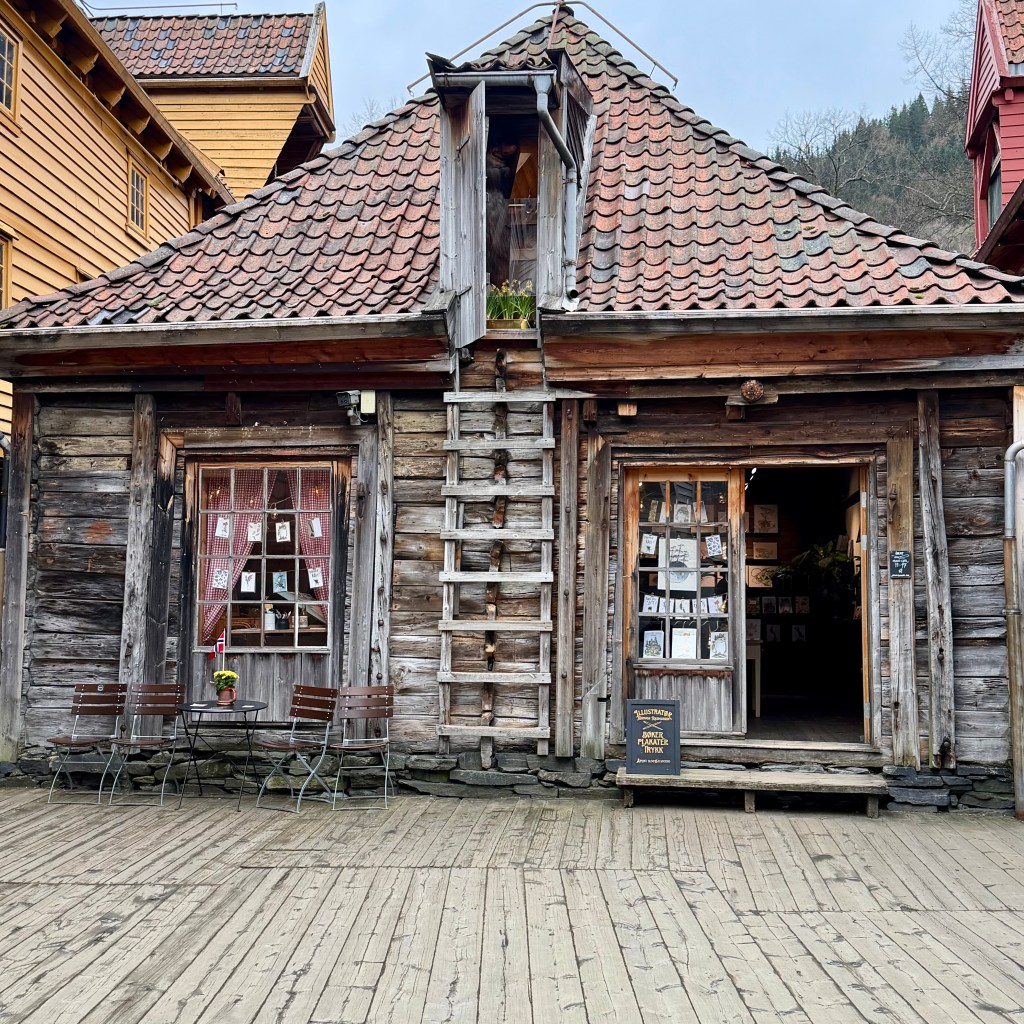
Having snapped a million pics, my eyes were drawn next to what has become of some of the harbour’s old trading traditions. Within the numerous traders’ houses, shop keeps still ply their trade, except they’ve moved to more creative pursuits. In the present day, the old harbour has become a paradise for independent arts and crafts. Greeting visitors with a warm, Scandi welcome, the different studios provide ample opportunity to take home one of the many one-of-a-kind creations and souvenirs on display.
Freed from the old harbour’s wooden wonders, a little further down the port is where you’ll find Bergenhus Fortress and its connecting medieval structures. Contrasting the warmth provided by the hues of red and yellow, this fortress is made of cold stone. A structure battle-hardened and weather-worn, it is a living testament to the nation’s long and storied history.
The grounds of the fortress actually have three separate areas, but its undoubted highlights come from the older stone structures of Håkon’s Hall and the Rosenkrantz Tower (both requiring their own individual payment). The oldest of these is Håkon’s Hall, and it is the singularly most impressive section of the fortress.
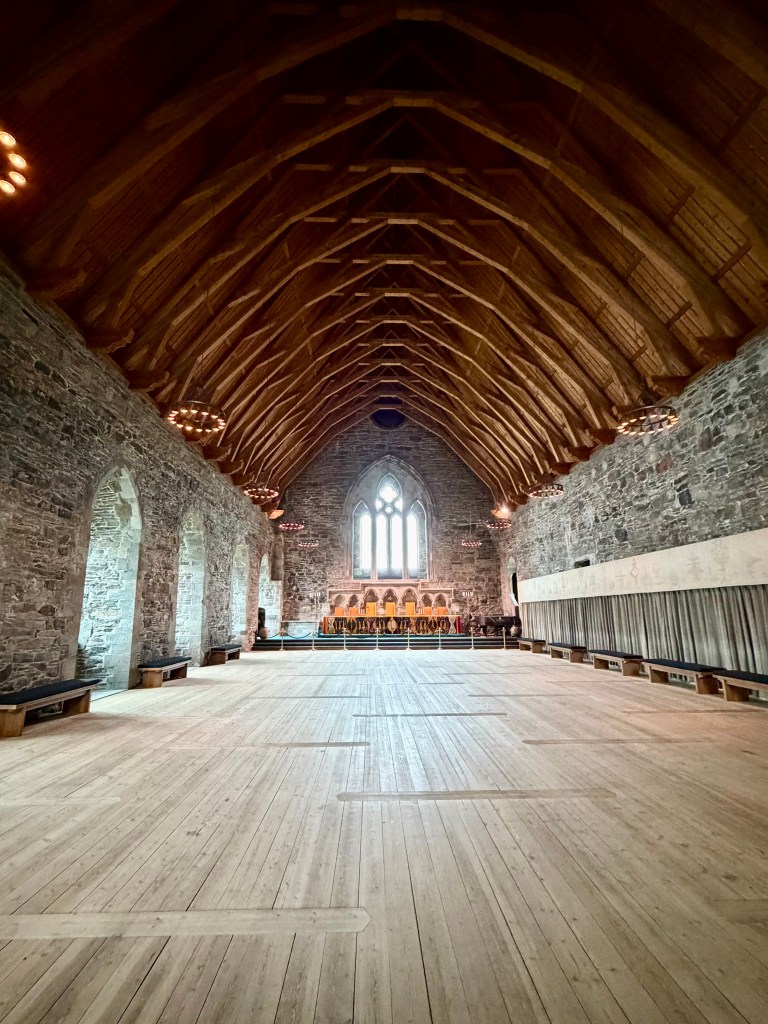
Built under the guidance of King Håkon, Norway’s great unifier and peacemaker, the hall is a celebration of his achievements ending a long and bloody civil war. This mighty hall’s sparse decoration only adds to the ambience created by a room once filled with immense power. It is a staggering feat of engineering that today stands as the largest secular building from the Middle Ages still standing in Norway.
On the opposite side of the fortress is its other highlight, Rosenkrantz Tower. Built not long after the hall’s construction, it was home to Håkon’s successor King Magnusson until his death in 1299.
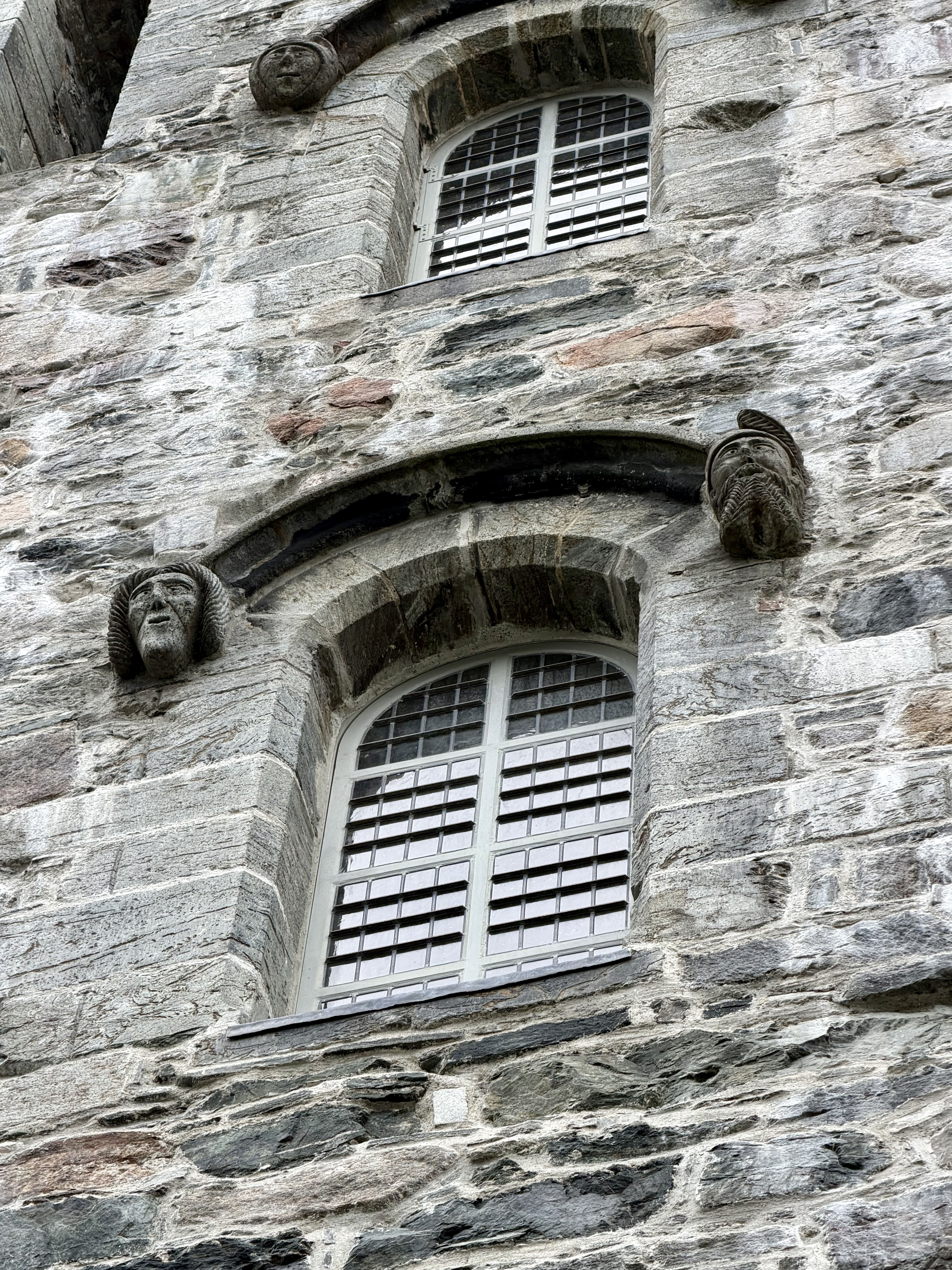
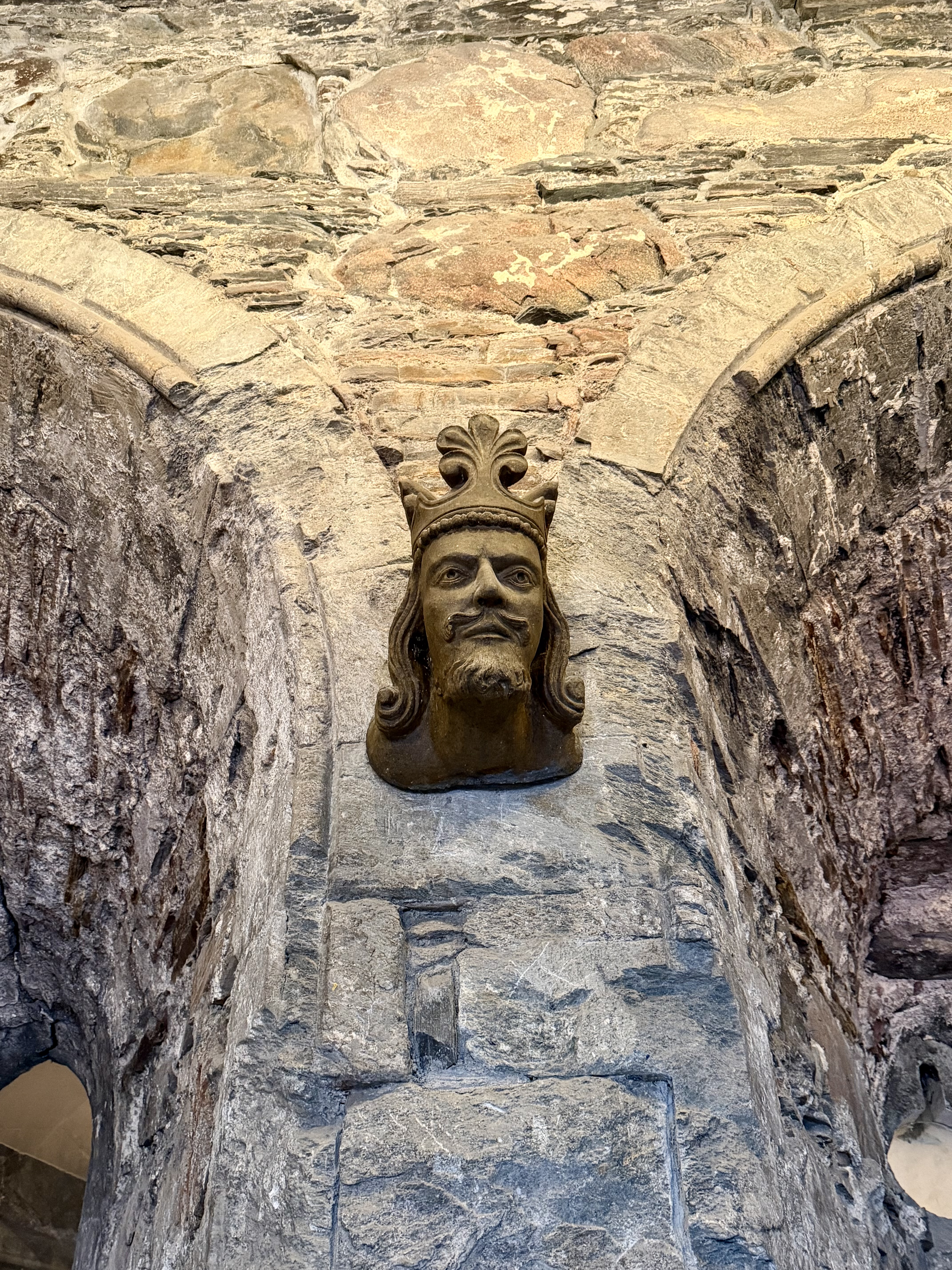
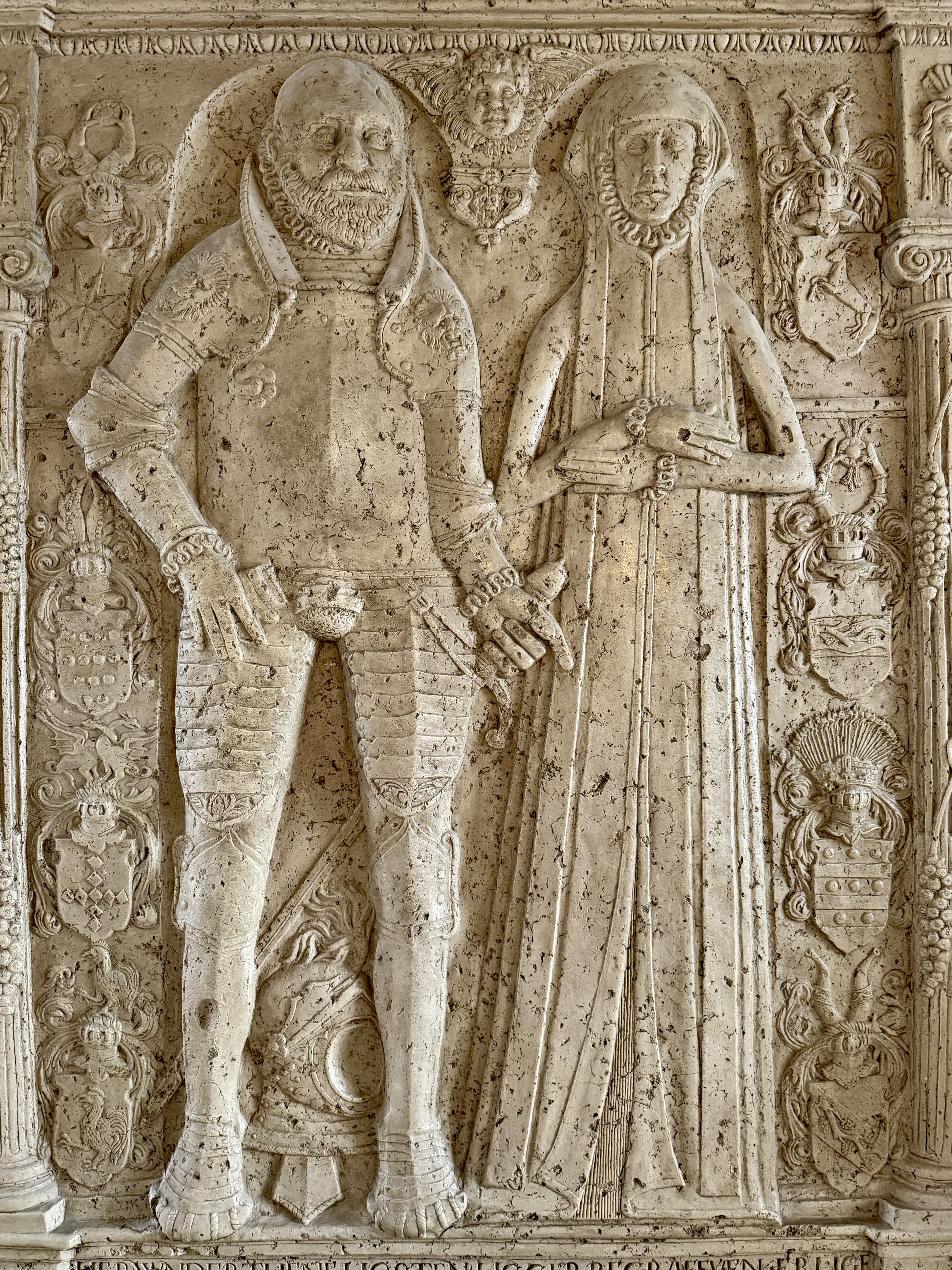
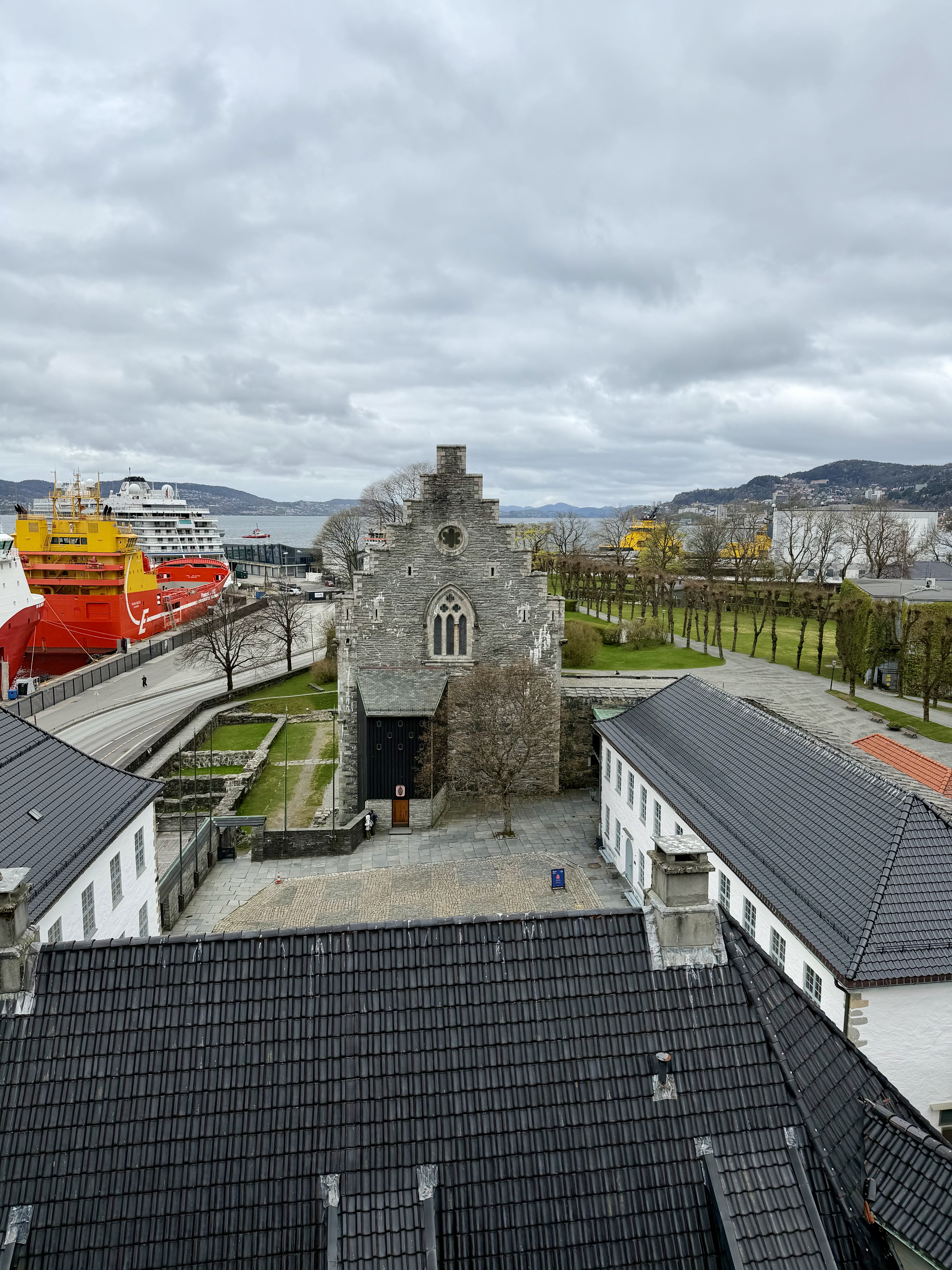
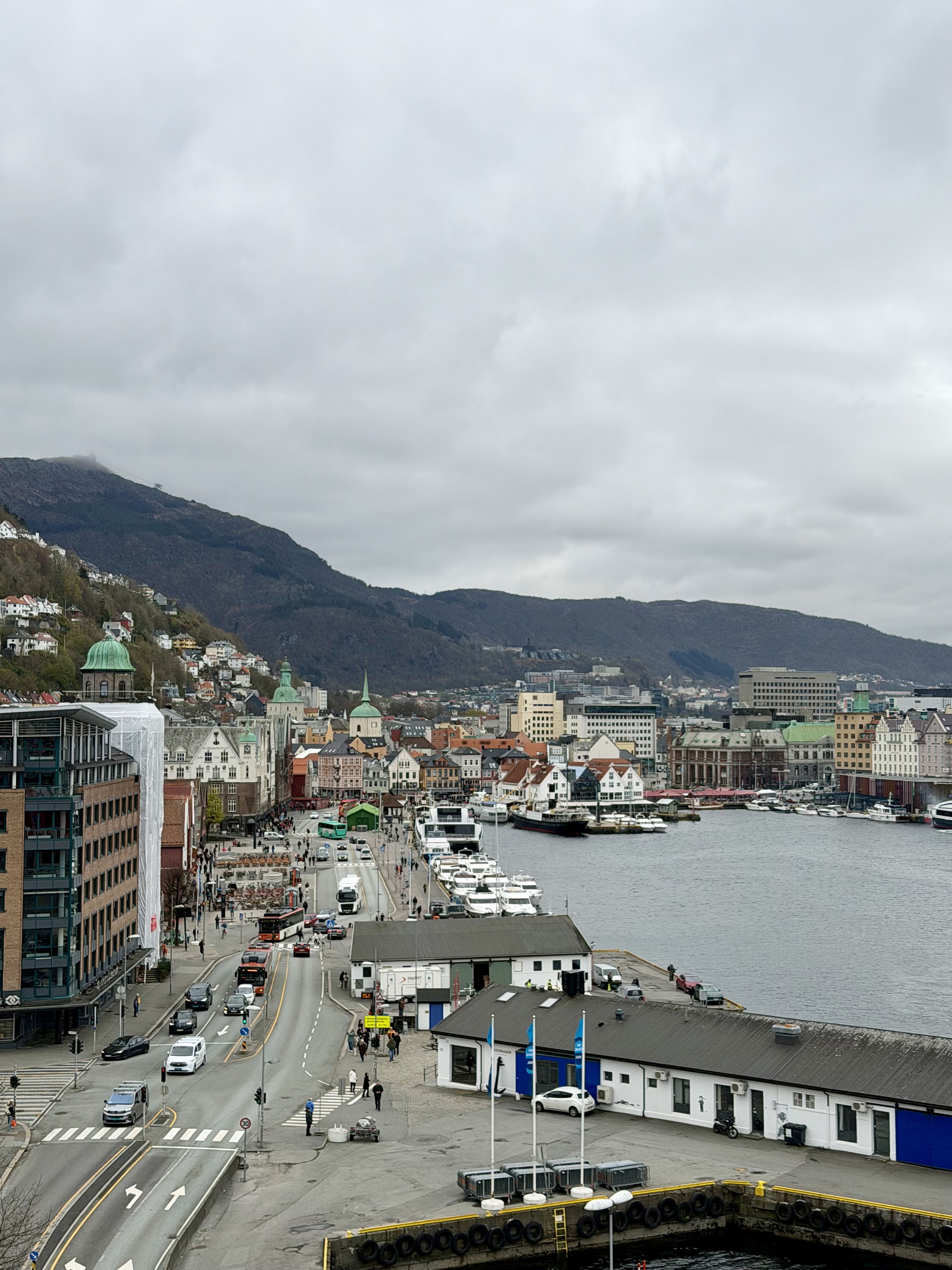
Starting in the oldest parts of the tower, a journey through the tower’s storied history involves a climb up a series of claustrophobia-inducing stairs through the old chapel and the royal chambers. The higher sections of the tower are dedicated to Bergen’s troubles during the 16th and 17th-century. During these turbulent centuries, Bergen fell under the spell of witches as well as becoming the scene of a battle between the British and the Dutch. Once at the top, the tower offers great views of both the city down below and the many incoming cruise ships that come to port in the city every day.
For more content on Bergen and so much more, check out my travel blog’s Instagram – travelssek


Leave a comment