Finishing out the trilogy, my explorations around Bergen take a cultural turn.
As a city set among spectacular nature, it should come as no surprise that artists, musicians, and other creatives would choose to make Bergen their fertile breeding ground. Despite its small size (often playing second fiddle to the capital, Oslo), the City of Seven Mountains has seen more than its fair share of trailblazers who changed and evolved how Norway’s cultural sphere would be perceived worldwide.
Within the outskirts of Norway’s second city, you can find a goldmine of sites dedicated to the country’s classical music development. One, however, stands out as a wild, unencumbered view of the marriage between music, tradition and nature: Siljustøl, the home of Harald Sæverud.
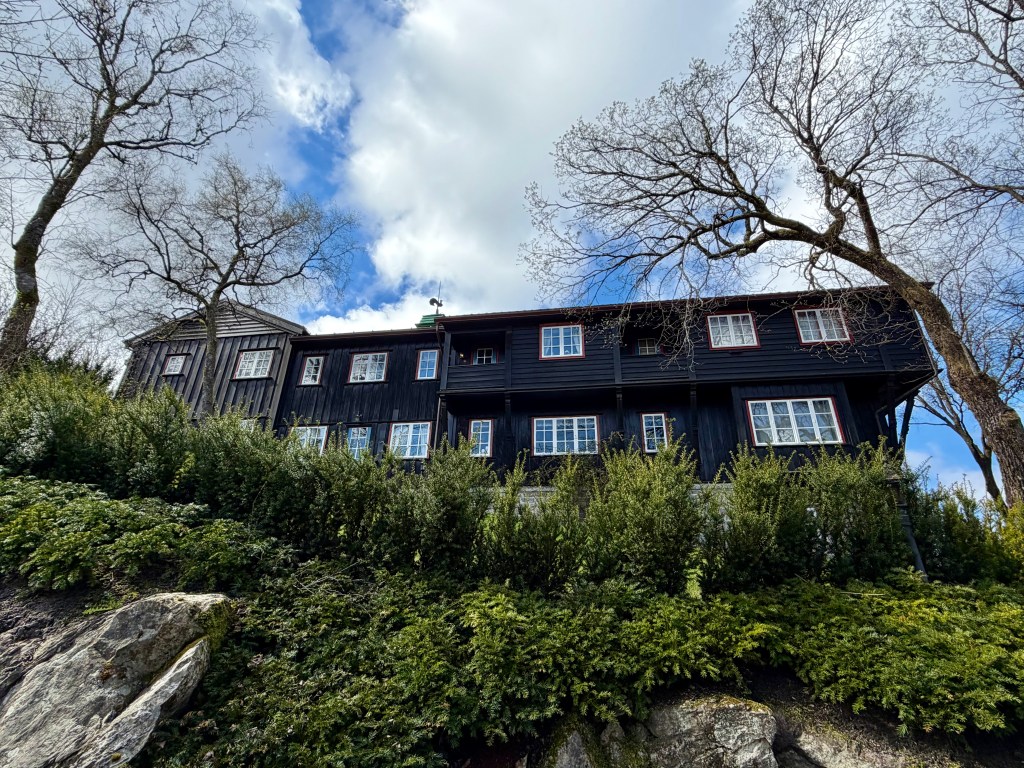
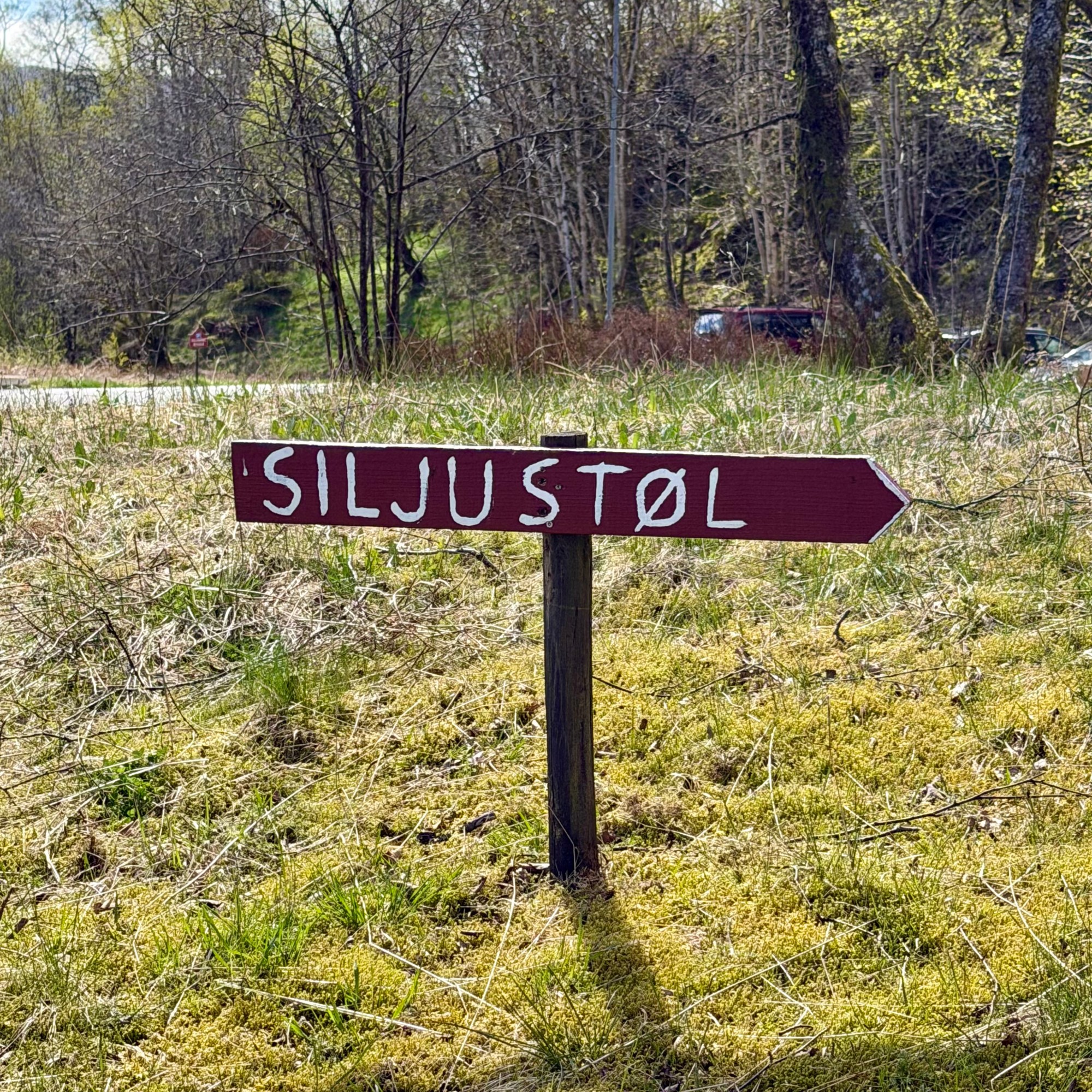
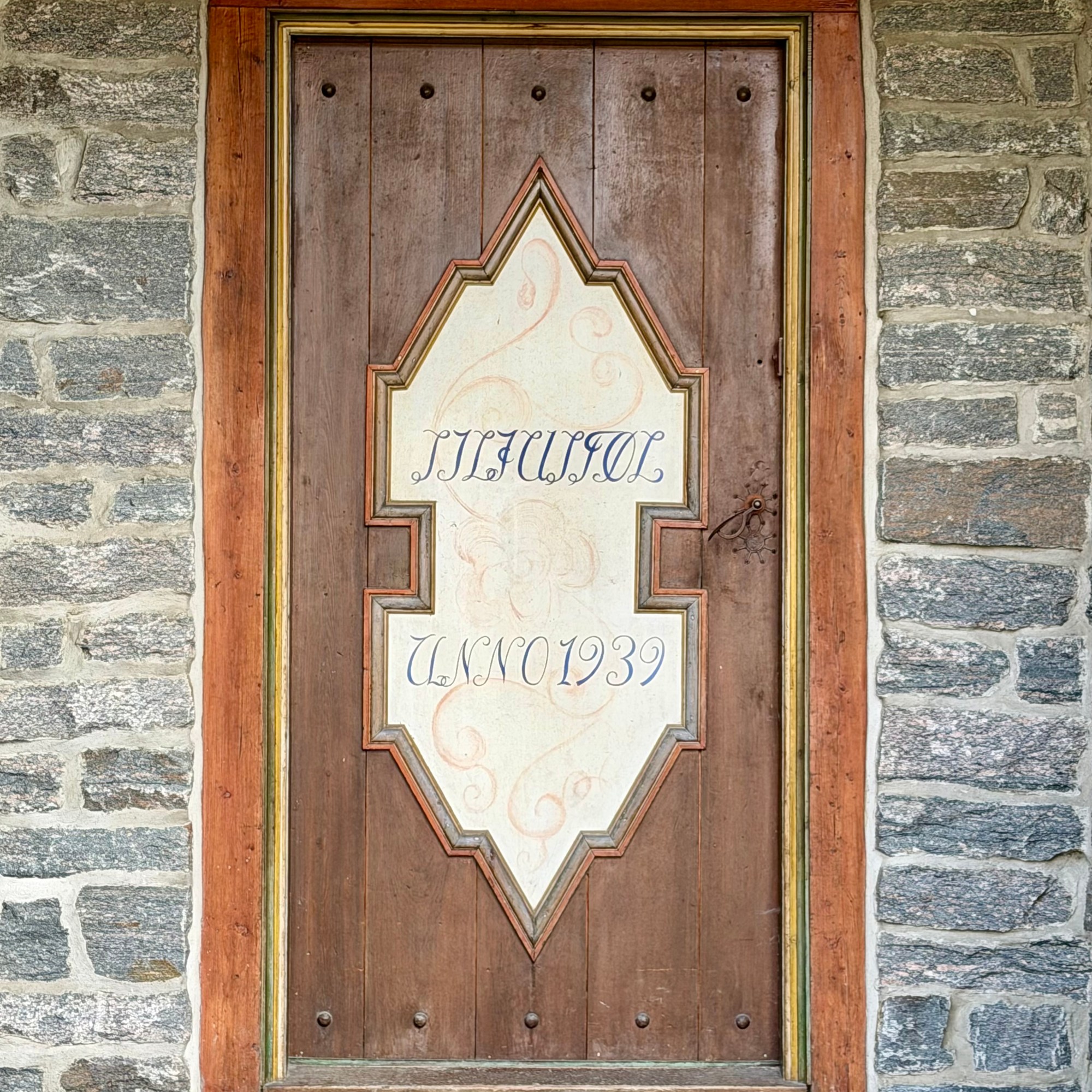
A 40-minute light rail ride from the city centre, Siljustøl is located in the rather unassuming suburb of Råstølen. Walking between street after street of nice-looking, yet completely ordinary Norwegian homes, it isn’t at all apparent what makes this place such a unique piece of history, at least until the home comes into view. Perched on a hilltop overlooking 45 hectares of woodland, the home’s blackened wood façade camouflages it through the trees. Get in closer, and Sæverud’s eccentric personality comes into play, with unique fixings and a door marked with the name of the house in large, calligraphed letters.
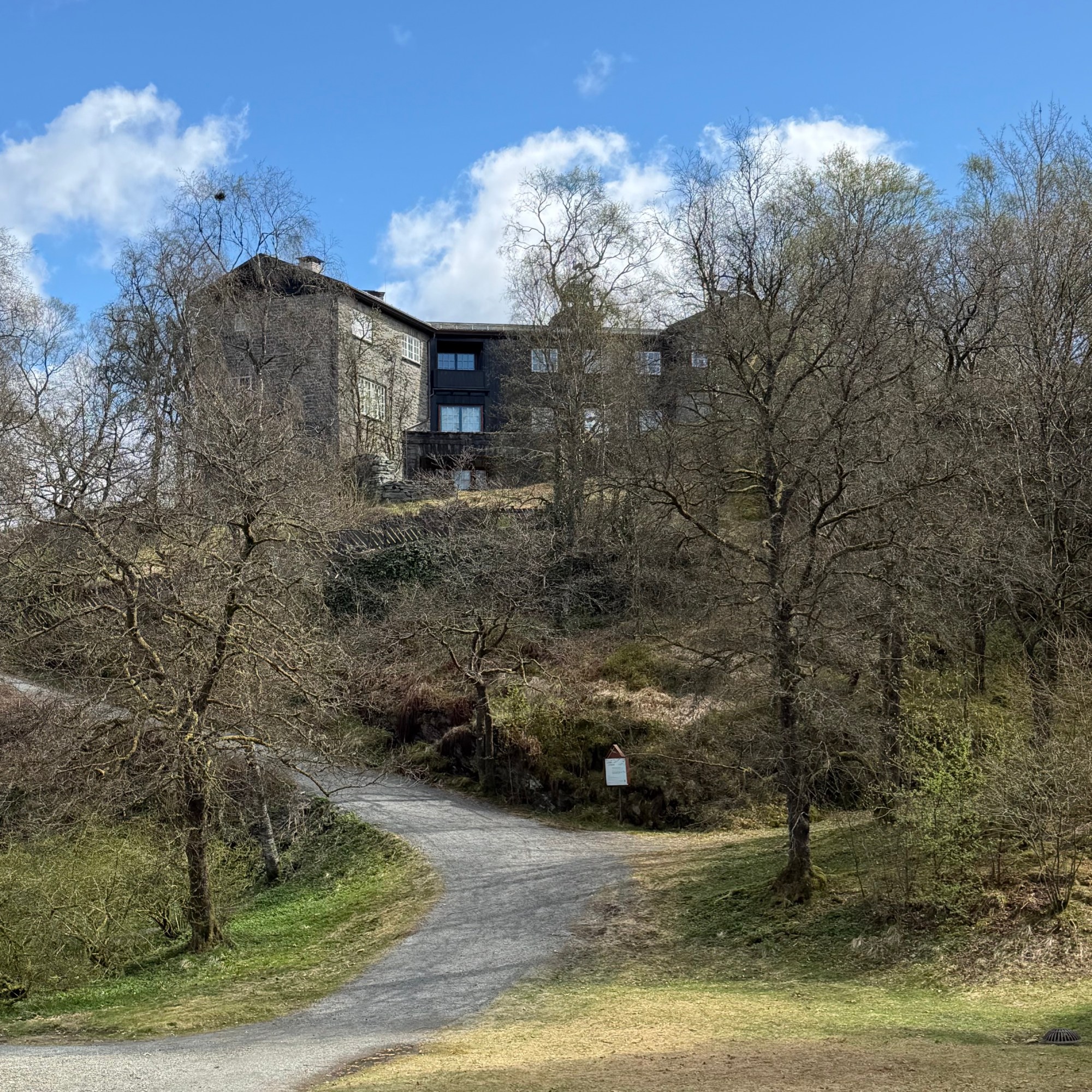
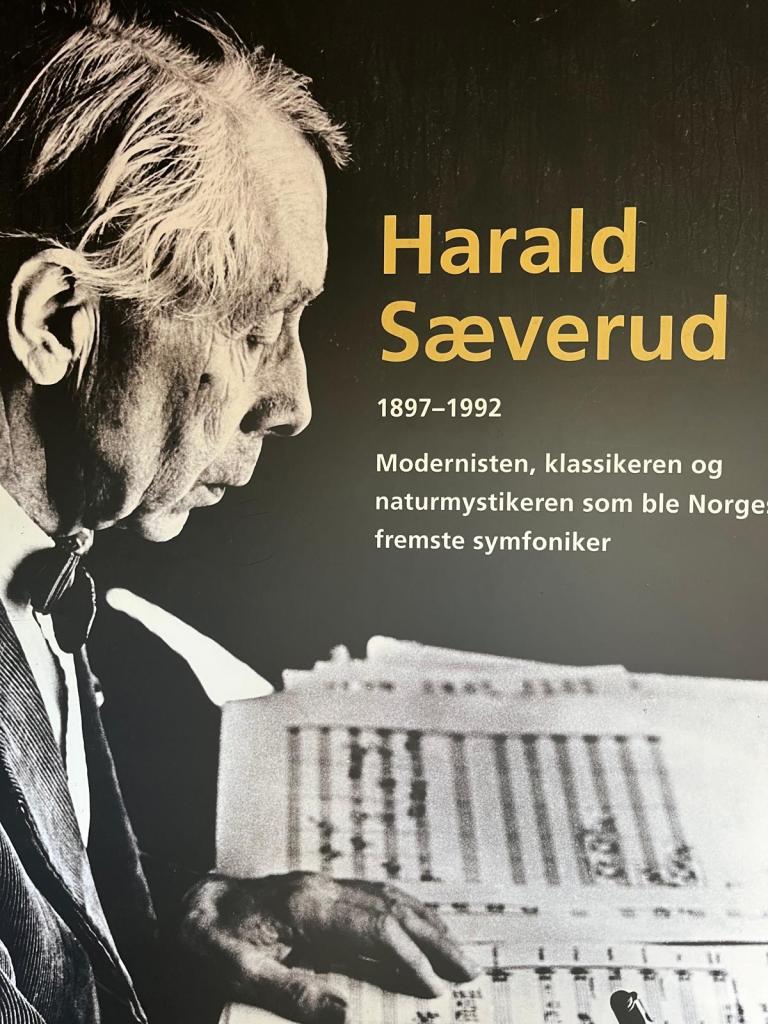
Much like his beloved home, Sæverud’s eccentricities worked their way into his music, creating a bold direction for the melding between tradition and nature. Sæverud’s take on these very Norwegian themes took him on a journey through textures, extreme variations in dynamics and a hyper-focused mentality towards musical intent, where small accompanying instructions lead to massive differences in tone and rhythm.
The ethos behind music that blends themes of tradition and nature didn’t begin with Sæverud, but its Norwegian style can be traced back to Bergen. It was during the latter stages of the 19th century, when Edvard Grieg used the world surrounding his home, Troldhaugen, to create suites of music that spearheaded a change in the country’s view of classical music, making it original yet characteristically Norwegian. Sæverud’s works are an obvious evolution, but an important one, nevertheless.
Continuing away from the homestead and into the woodland surrounding the property, it becomes ever easier to digest these themes surrounding Sæverud’s works. His intimate connections with nature and his characterful compositions come alive under the messy canopy of the forest’s ecosystem. Roots of trees knotted and tangled, and the unhindered path of rushing water from several streams carving their way through the grounds without a care for a gardener’s careful landscaping.
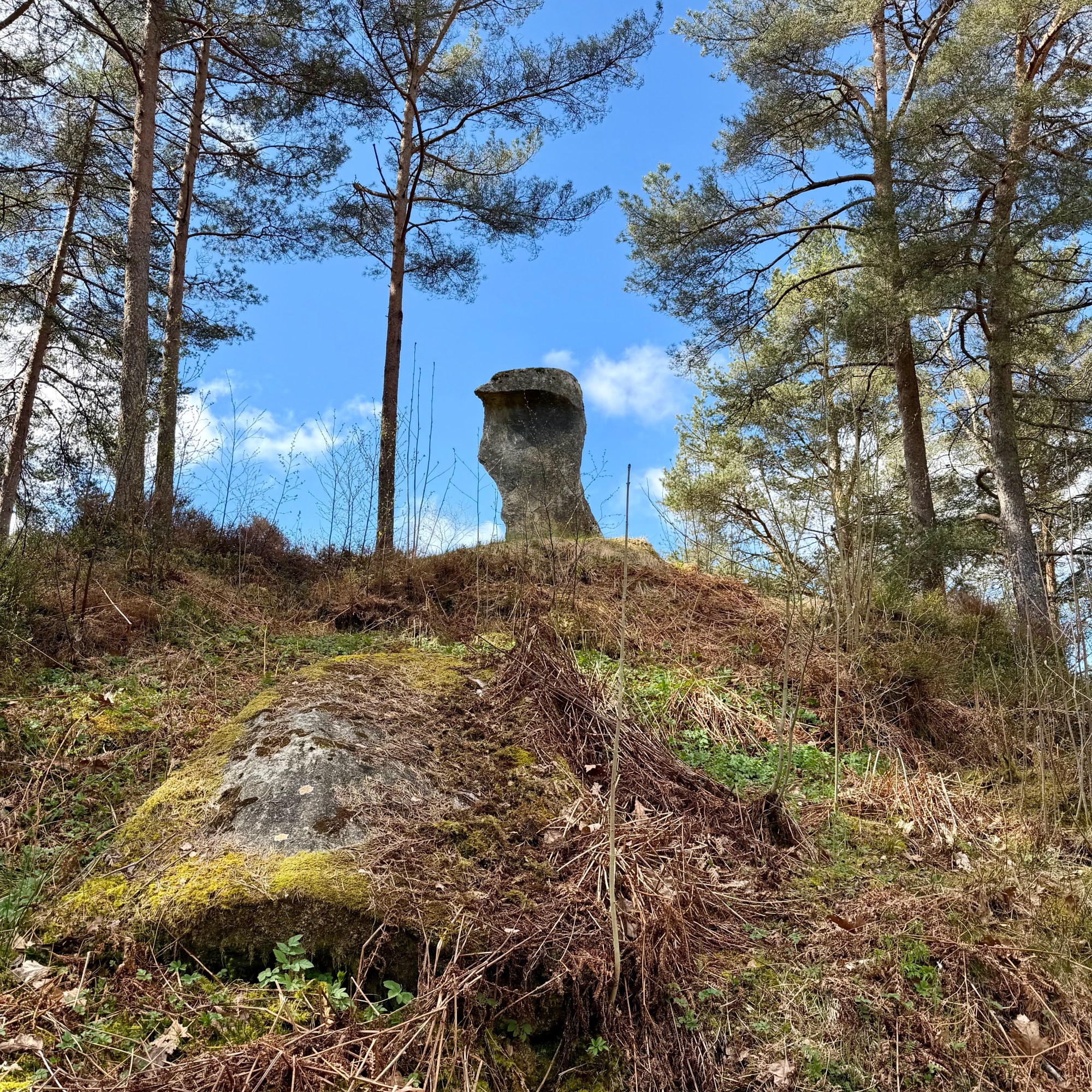
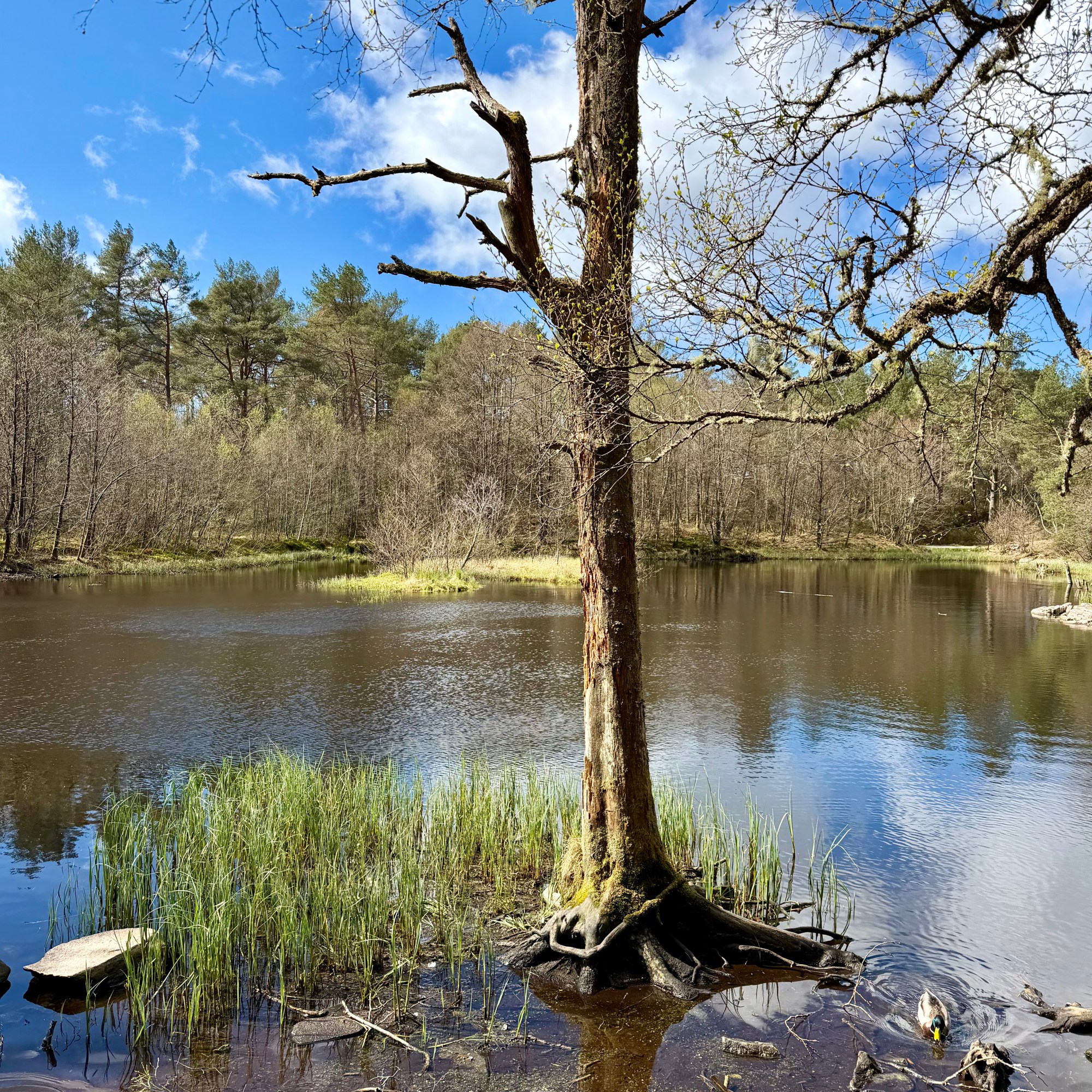
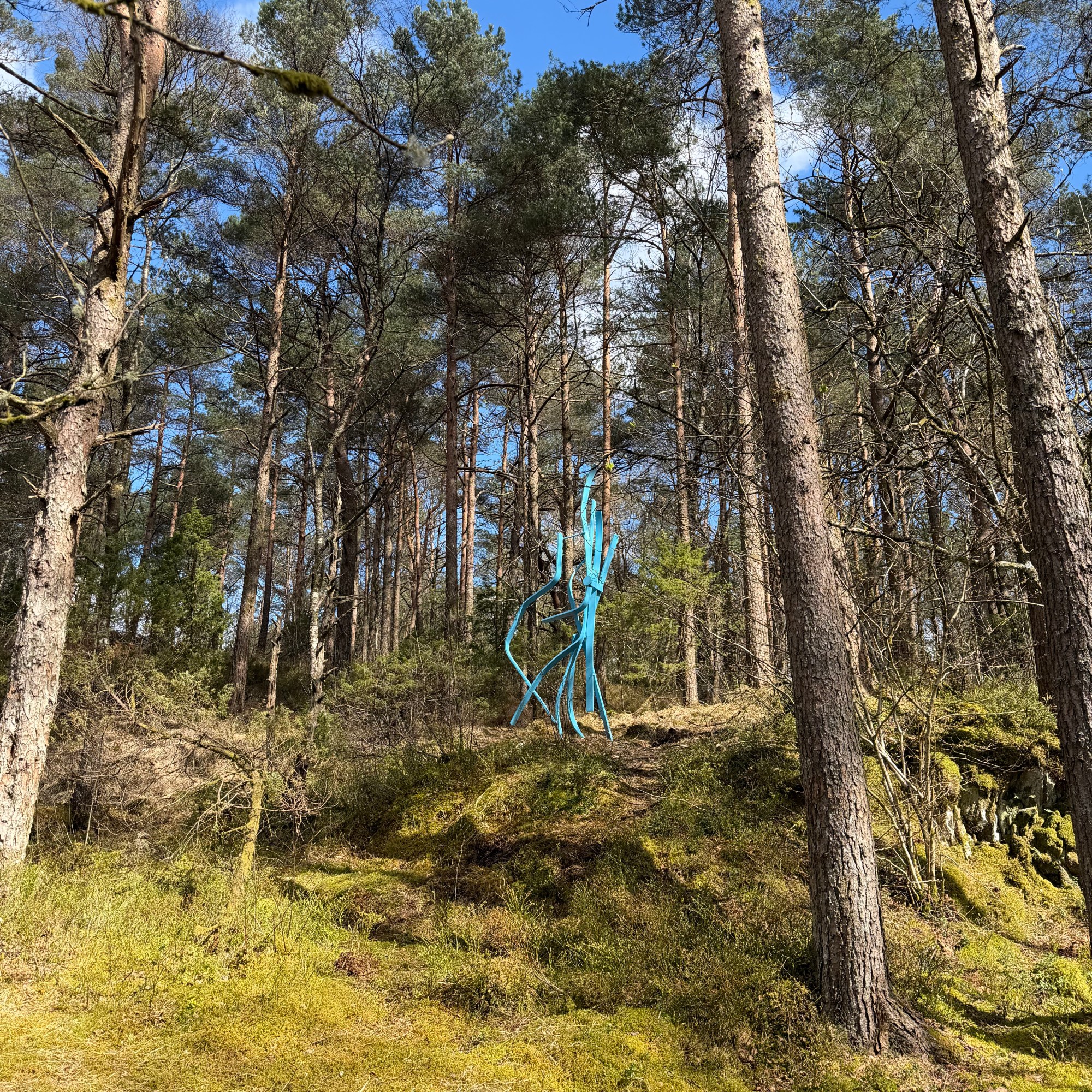
All of which leads to a small lake. Placid and serene, there’s an exaltation of peace as the water slowly ripples before it begins again over the overside of the bank. It’s raw and untainted, exactly how Sæverud pictures them through his pieces.
For more content on Bergen and so much more, check out my travel blog’s Instagram:


Leave a Reply