Top Picks
Vilnius’ labyrinthian old town is best explored away from the main shopping streets. Head down any alley and the capital begins to bare its Bohemian soul. Spanning the size of three former glass factories, the newly revitalised Glass Quarter is the first you should wander towards.
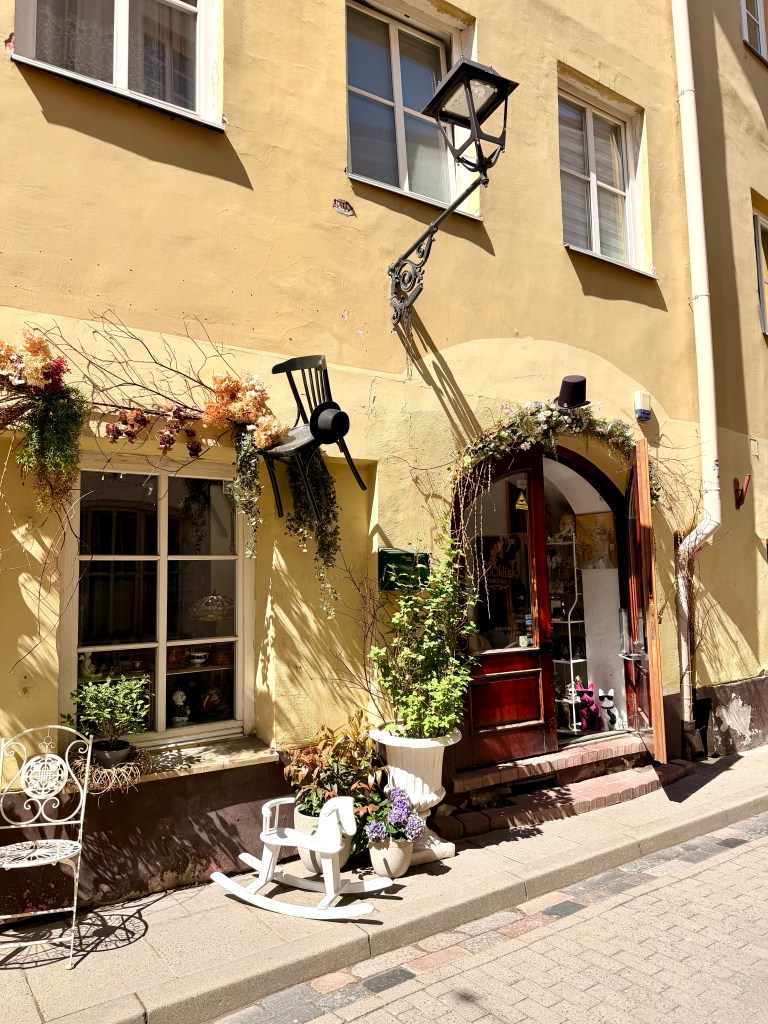
Once a vibrant and bustling Jewish community, it fell silent after the Nazi’s ghetto policies were enacted. Over the past twenty years, however, a lot of work has gone into giving the area a new lease on life. Seeking to celebrate both culture and artistic vision, the quarter offers a slew of colourful independent shops and flower-laden cafes that only an artist’s unique flair could create.
Not too far away, you’ll find another backstreet gem. Jutting out from Pilies Street, the odd sight of old china indented into the wall will come into view. Lovingly nicknamed Teapot Street, this Instagram darling is a tearoom advertisement turned vintage spectacle. On this street, each teapot comes with a different design, with one even featuring an old map of Vilnius. Further afield, the backstreets of Lithuania’s capital fail to get any less interesting. Beyond the Gate of Dawn, the promise of weathered façades, exposed brick and aged plaster shines a light on Šv. Dvasios Street. Meanwhile, the fairytale cobbles of Ligonines Street dazzle under the watchful gaze of the Church of All Saint’s crumbling bell tower.
If your taste for all things Bohemian hasn’t been satiated, then the district of Uzupis is the place to head to next. Swaddled by the Vilnia and graced by a statue of an angel at its heart, this district has long been a refuge for free-thinkers and independent souls. A retreat from the modernising world around it, Uzupis has been overcome with colour and street art, with Tibet Square and the ‘Bernardinas Sienietis’ mural painted on the side of a former monastery.
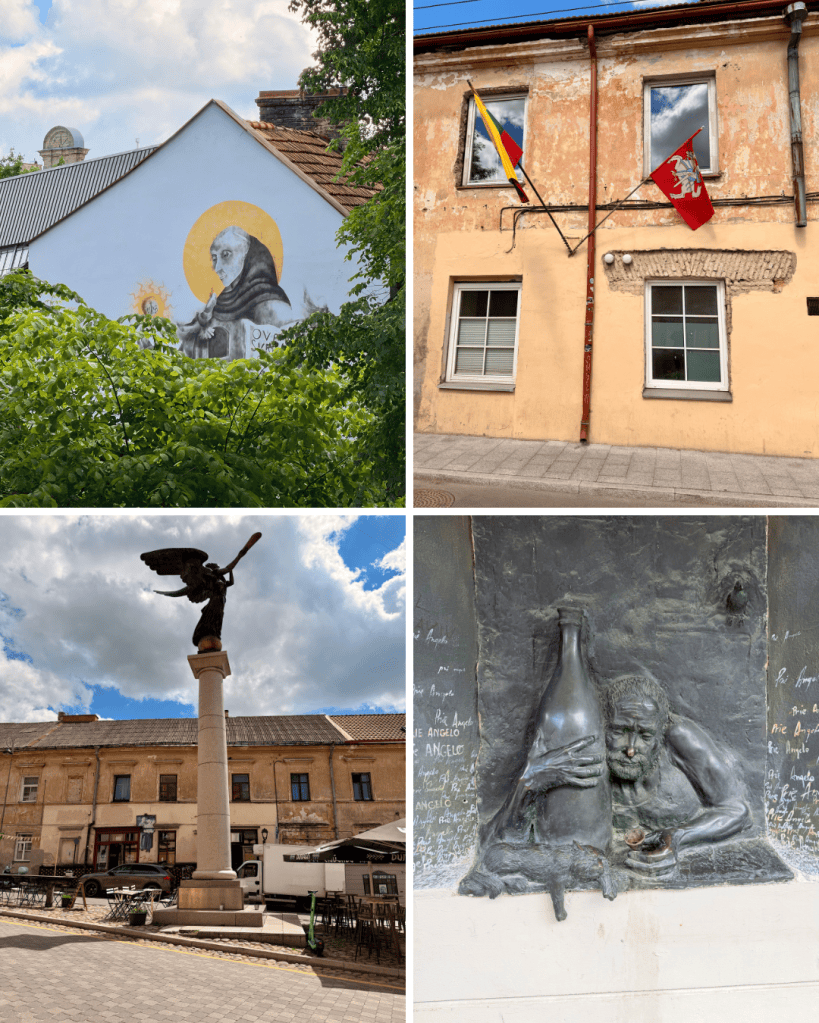
What’s most striking about Uzupis, however, has nothing to do with its artistic intentions. Much like Copenhagen’s Freetown Christiania, Uzupis is a free republic in its own right. Declaring itself an independent nation in 1997, this small district has its own government, anthem and currency. It even has its very own constitution, emblazoned in several different languages on mirrored-metal plaques. It reads, ‘Everyone has the right to be unique’, which, given today’s climate, seems like a controversial statement (even if it shouldn’t be).
Highly Recommended
Draped in a shade of marble white, the seat of Lithuania’s historic power sits prideful on Vilnius’ Cathedral Square. Constructed in the 15th-century on the site of a former castle, the Palace of the Grand Dukes of Lithuania is now a history museum dedicated to unravelling the mysteries of this Baltic superstar’s story. Split into five different sections, your best bet for fascinating content lies within sections 1 and 2, which make up the palace’s main building. Beginning within the basement, a small, single-file path takes you through the building’s very foundations. Clearly older than its white exterior, the palace was built using stones from the castle that once stood on the same site.
As someone with a great interest in history but who knew little about Lithuania’s before coming, the exhibits within the next part of the building were a particular highlight. Beginning with the nation’s humble inception under the rule of King Mindaugas, these highly informative sections regaled the triumphs and failures of a people who punched well above their weight historically. From the adoption of Christianity and the centuries of victory as an equal partner in the Polish commonwealth’s imperial empire to the loss of freedom under Tsarist rule and Nazi occupation.
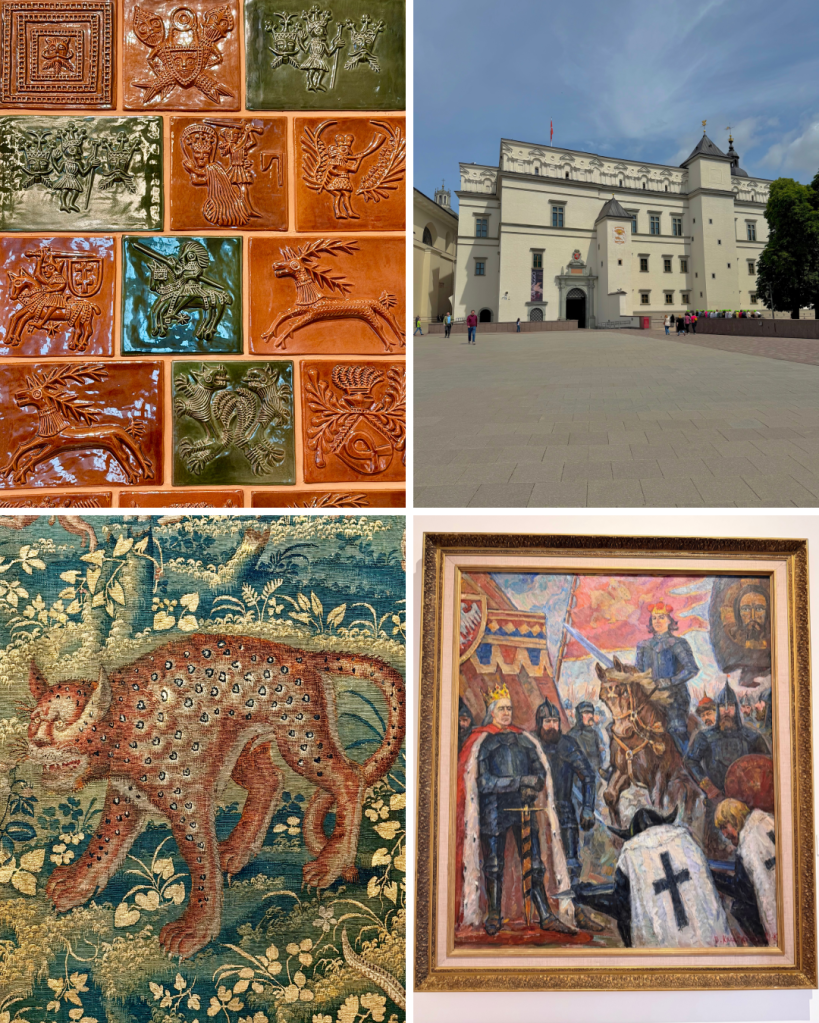
The final sections of the main building are a taste of the empire’s royal opulence. Standing next to the throne and the rooms filled from floor to ceiling with Jadiellonian tapestries, it’s difficult not to make a comparison to the royal residences in Poland. This perhaps shouldn’t have been a surprise – they shared a large portion of their history together, after all – I was nevertheless taken aback by the similarities and the interconnectivity between Europe’s royal houses.
The Island Castle
When planning a trip to Vilnius, there’s one place more than any other that gets recommended. Whether it be official sites, travel guides or social stars with their fingers firmly fixed on the pulse of the trend, they all say the same thing – if you visit Vilnius, you must take a day trip to Trakai’s Island Castle.
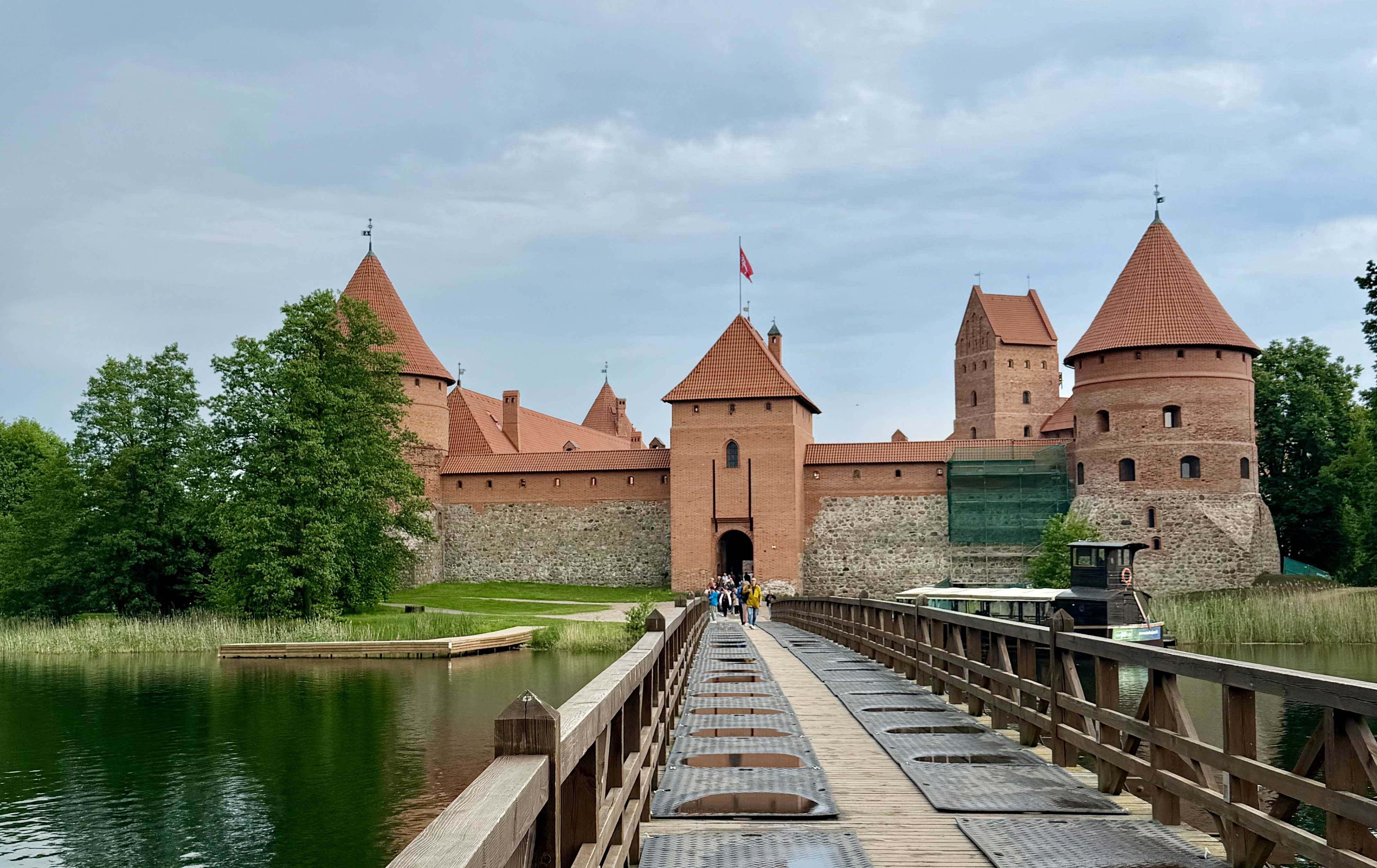
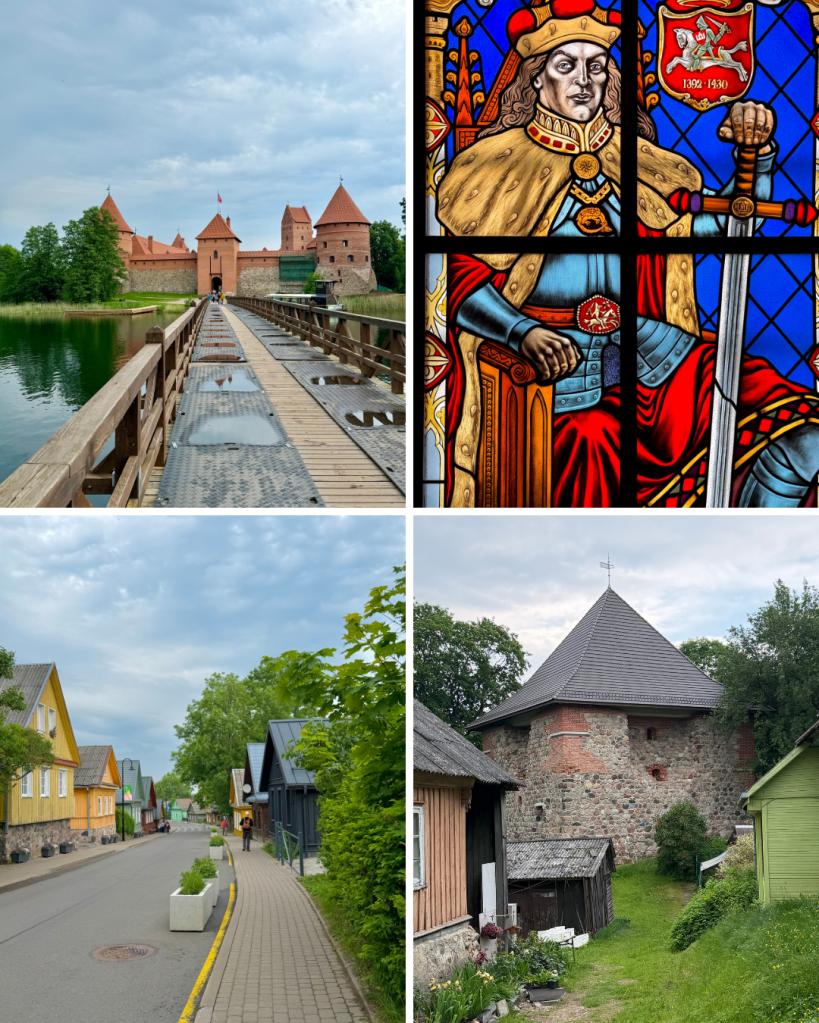
With its orange turrets reflected by the deep waters of Lake Galve, this mediaeval masterpiece is a 40-minute train ride and a further 40-minute walk from Vilnius. Worlds apart from the bright lights of the big city, it stands solitary with its high, defensive walls acting like a phalanx against enemy combatants and the wider threat of the outside world. A footbridge between it and another island is the only way to breach its inner sanctum. Since its construction by Vytautas the Great in 1409, nobody but time has been successful in wearing down its mighty armaments. It’s a castle with a fearsome reputation set in what is quite possibly one of the most spectacular backdrops conceivable. Only a thunderstorm and a constant lashing of torrential rain could hamper such a beautiful view.
Take the Train – The best way to make your way around Lithuania is by train. Safe, affordable, and most of all, comfortable, there are direct links to most major tourist attractions and cities.
While Trakai’s Island Castle gets all the attention, the city itself has its own treasures worth exploring. Quieter than any spot by the lakeside, this small city is at its best when you take your time. The old parts of town are an eclectic mix, with a rainbow’s worth of well-preserved historic wooden houses sharing backyards with ancient stone towers, overgrown and starting to fall into ruin.
Anything Else?
Vilnius’ attractions don’t merely stop with its historical sites and bohemian spirit. In recent years, the capital has grown into becoming the place to be for foodie adventures. Restaurants serving traditional favourites, such as šaltibarščiai (a bright pink beetroot soup), mingle with a wealth of international powerhouses. Additionally, the city has a thriving café scene, with excellently roasted blends suited to please even the pickiest of coffee snobs.
For more content on my recent trip to Lithuania and the Baltics – check out the travel blog’s Insta page


Leave a Reply