As one of the most visited cities in Canada, Montreal is a metropolis well-known for its iconic sites and districts. The alluring infamy of its Downtown glass giants and the ever-pleasant cobbled streets of its old town deservedly mesmerise visitors, but often to the detriment of discovering where the city’s beating heart lies. To find it, you have to go beyond Montreal’s green giant, escaping the vertigo-inducing towers of steel and glass, to a plateau filled with intrigue. It’s a place born of migrant workers, where a mishmash of architectural and cultural influences seamlessly complement each other. A natural-born bohemian paradise forming the 40-block borough known as Mile End.
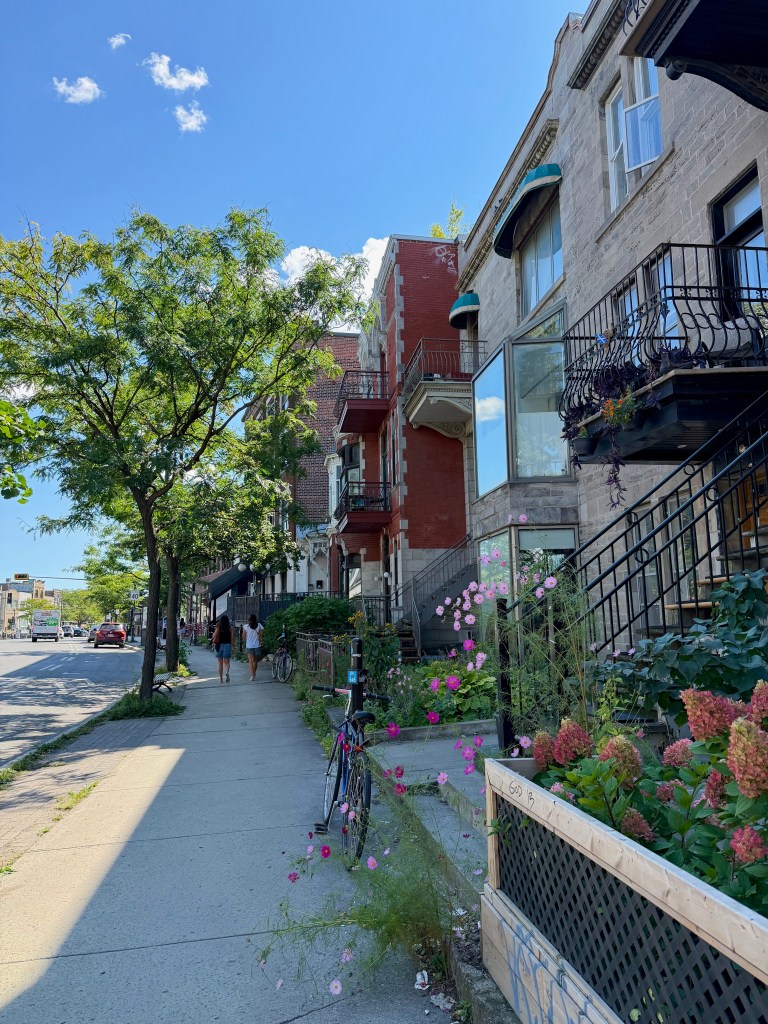
Mile End started its life from humble beginnings. In the 19th-century, the area was nothing more than a waypoint; a distinguishing marker whose sole job was to separate farmland from the era’s equivalent of an urban sprawl. As Montreal grew and industrialised, however, the borough began to see growth as it welcomed migrant workers from Ireland, Ukraine, Poland and Russia. They created communities and tenements, mingling within the plateau, and ultimately bringing their culture and food heritage to the forefront. By the end of the 20th-century, these communities changed and grew, mixing artists and hipsters alongside old world tradition, amalgamating the district into a storied mosaic which fosters its uniqueness.
FOOD ICONS
Equal parts vibrant and heritaged, the borough manifests an interesting snapshot of Montreal’s city life. Amidst its leafy sidewalks, icons and overlooked gems lie side by side with almost seductive allure.
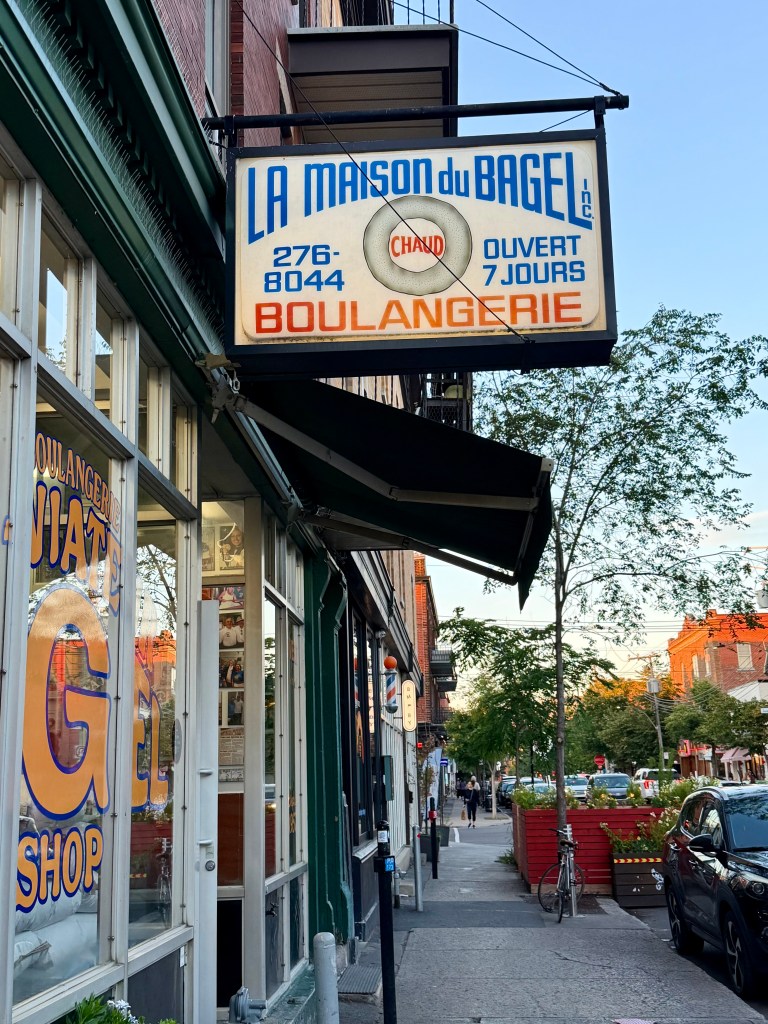
Mile End’s charm offensive begins with its rich tapestry of flavours with many of its iconic institutions resting along the parallel streets of West Viateur and Fairmount. Exploring these streets on an empty stomach can be a dangerous quest. Stray too deep and you’ll be greeted with wafts of freshly baked doughy deliciousness emanating from the city’s signature version of a bagel. While not as renowned as their New York compatriots (unfairly so), the neighbourhood bagelries of St Viateur and Fairmount Bagels have over 100 years experience between – so they know exactly how to craft the perfect chewy bite.
Across the way, more dangers lie in store for your tastebuds as a Canadian beverage institution beckons. A constant Instagrammable hit with their caffé crema concoction, Café Olimpico has been a family run staple in the area since the 70s. Bringing a small slice of the Italian-style caffeine hit to Montreal’s metropolis, there’s plenty to enjoy about their luxurious brew – if you can get a seat.
In recent years, these heritaged fixtures have fostered a healthy dose of competition. Newcomers to Mile End’s gastronomic scene certainly have plenty to shout about with several muscling their way to the forefront. On Rue Clark, Café Alphabet puts a Greek spin on coffee classics and provides a seamless al-fresco experience – perfect for the summer months! Elsewhere, dinner is sorted with a variety of flavours, from the popping pizza and Italian joint of Au Coin to the Caribbean soul at Lloydie’s.
UPSTAIRS, DOWNSTAIRS
The charm of Mile End’s iconic institution doesn’t start and end with its food, and a walk around its pretty boulevards will quickly tell you why. What speaks out about the borough’s curb appeal, however, isn’t its buildings but, in an odd turn of events, from its staircases instead. Twisty, turney or just moving straight up into the sky above, these iron symbols of Montreal’s industrial heritage can be found accentuating from almost every complex in the area and the wider city region. From condos to Victorian abodes, they’re always there, despite being a complete architectural anachronism given the harsh Canadian climate.
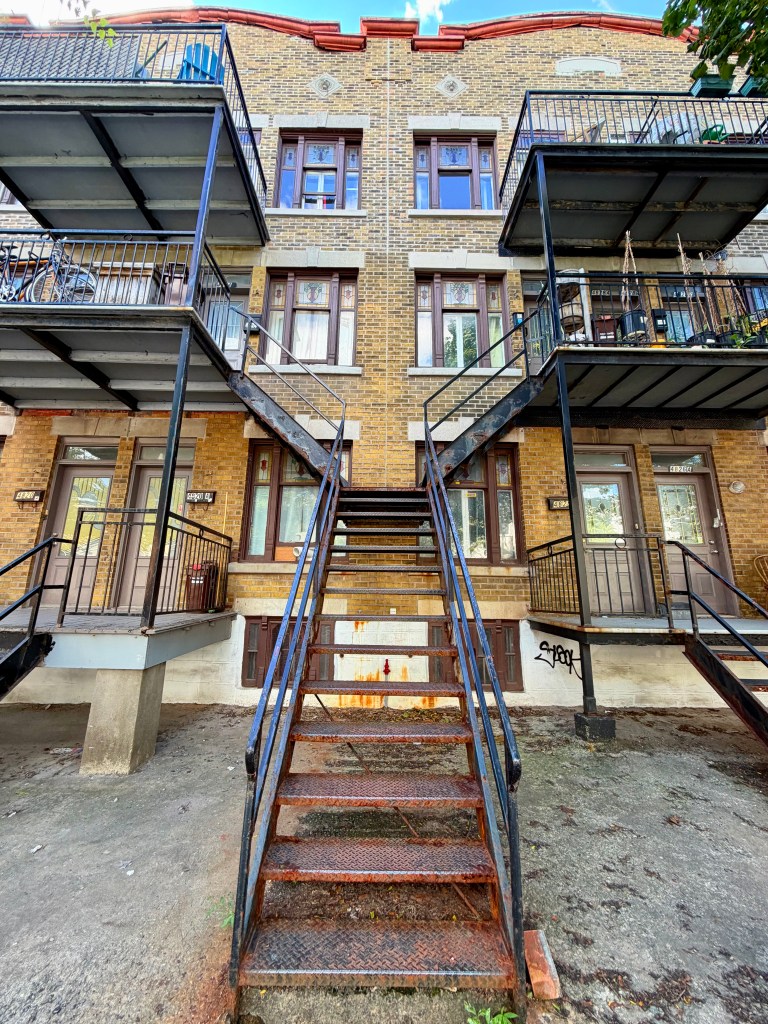
Wander in close and you’ll be left wondering how they could be anything more than death traps in the cold, icy winters. However, to the Montrealers who call the city home, these metallic marvels are a beloved feature that symbolise strength and perseverance. So sought after are these staircases, that the difference between having one or not can make or break whether you can drive your house price sky high on Montreal’s property market!
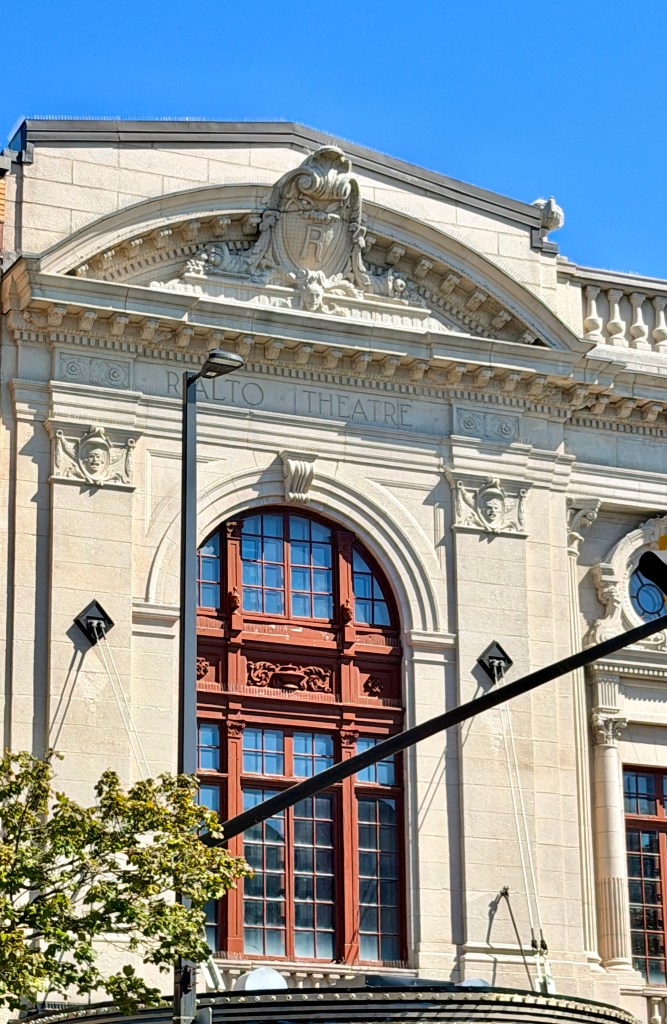
While stairs that’ll make M.C. Esher blush are all the rage, other architectural symbols are in abundance within the district… so long as you know where to look. Along the main artery of Avenue du Parc sits the makings of Mile End’s artistic heart. Set within a grand façade inspired by the Parisian Opera House is the Rialto. Draped in the beaux arts style, this former neighbourhood movie theatre has been revitalised and transformed in recent decades into a platform to host local, emerging artists.
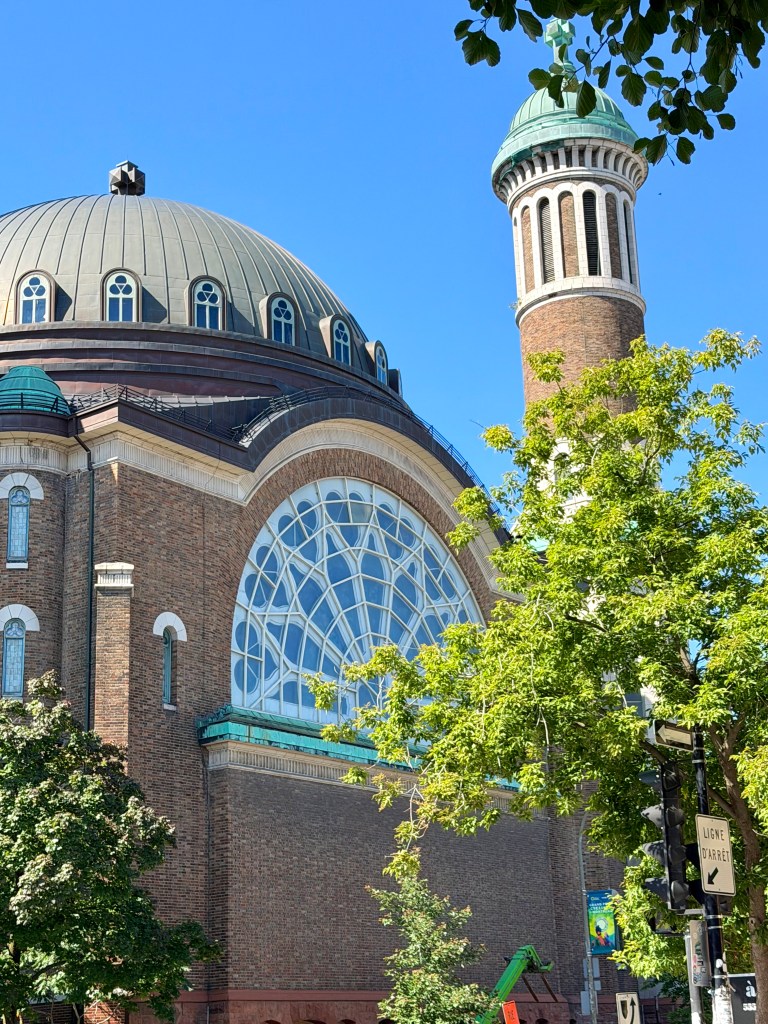
Besides St Viateur’s bagels, meanwhile, is an architectural treasure that symbolises the region’s constantly changing demographics. The church of St. Michael and St. Anthony compliments the mishmash of styles that has come to define Mile End. Neo-Byzantine, it is curiously adorned with the addition of a minaret. Perhaps more curiously, however, is that this church is twice consecrated, both by Irish and Polish catholics.
CONCEPT OR VINTAGE
Completing Mile End’s rich tapestry of attraction is its host of independent and artistic boutiques. Popping up throughout the district, they range from vintage clothes stores to visionary concept shop that match the individuality of Mile End’s patchwork soul. None accentuate this more than Galerie-Boutique Bref on Rue Clark. Offering a glimpse into the borough’s bright future, their works of art and novelty pieces are a mix of hand-crafted wonders and a deep-seeded pride in the city of Montreal.
For more content on my recent trips – check out the travel blog’s Insta page


Leave a Reply